The Power of Belonging: Why Social Development Matters for IDD Individuals
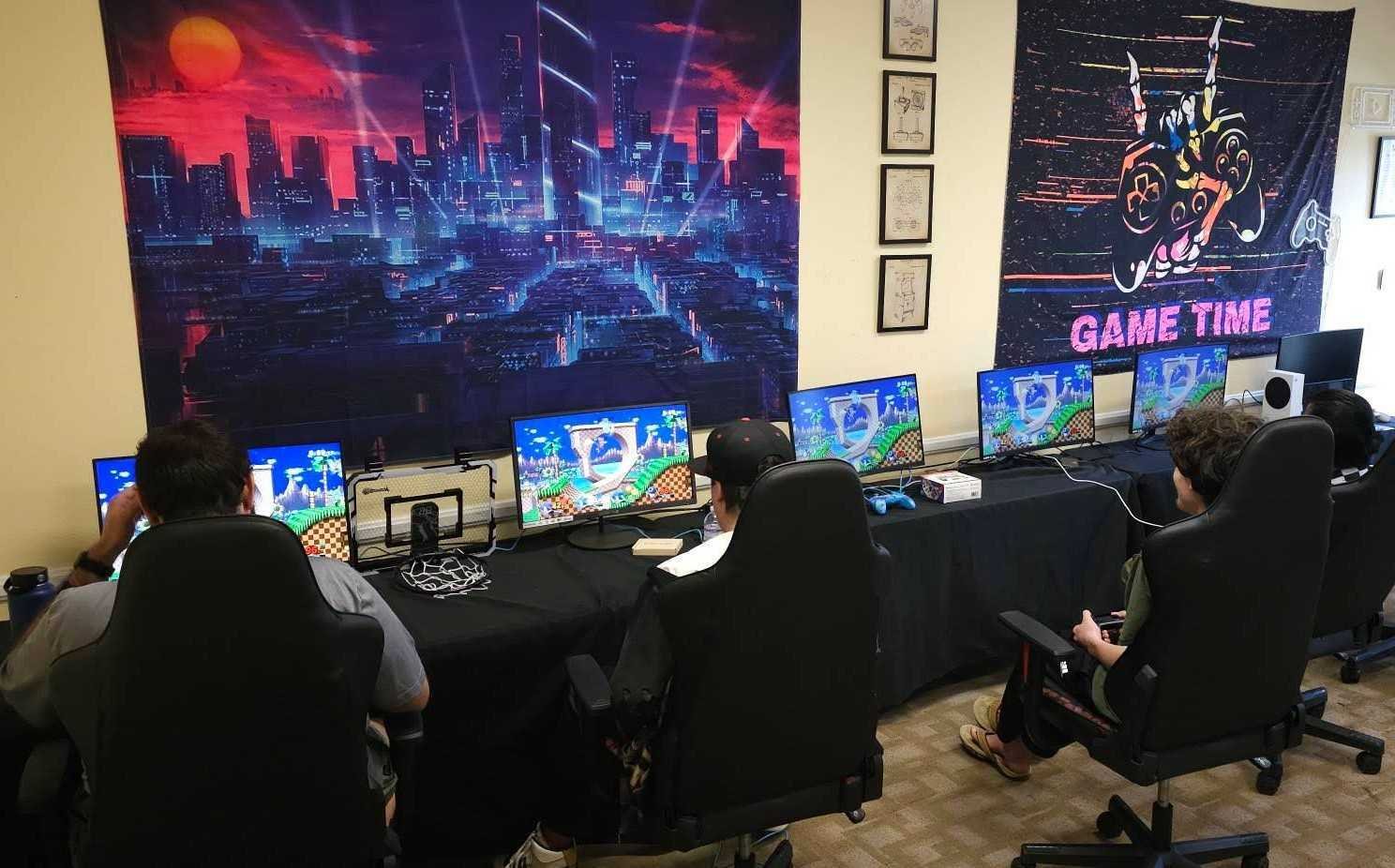
For many individuals with intellectual and developmental disabilities, social growth does not happen automatically just because people are nearby.
It happens when someone feels safe enough to try.
Safe enough to speak.
Safe enough to make a mistake.
Safe enough to be accepted exactly where they are.
Social development is not “extra.” It is a life skill. It shapes how people build friendships, express needs, handle frustration, practice teamwork, advocate for themselves, and feel connected to the world around them. For IDD individuals, these skills can impact confidence, independence, emotional wellness, and quality of life.
And when those opportunities are missing, the cost can be heavy.
Research shows that loneliness and social isolation are serious health concerns, not just emotional experiences. The CDC reports that about 1 in 3 U.S. adults feel lonely, and about 1 in 4 adults report not having social + emotional support. The CDC also connects loneliness and social isolation to increased risk for health challenges including heart disease, stroke, depression, anxiety, dementia, and premature death.
For people with disabilities, the risk can be even greater. A 2023 systematic review on loneliness and disability found that people with disabilities experience loneliness at high rates and identified social participation, employment, accessible environments, and supportive relationships as important protective factors.
In other words: connection matters. Belonging matters. Having a place to show up again and again matters.
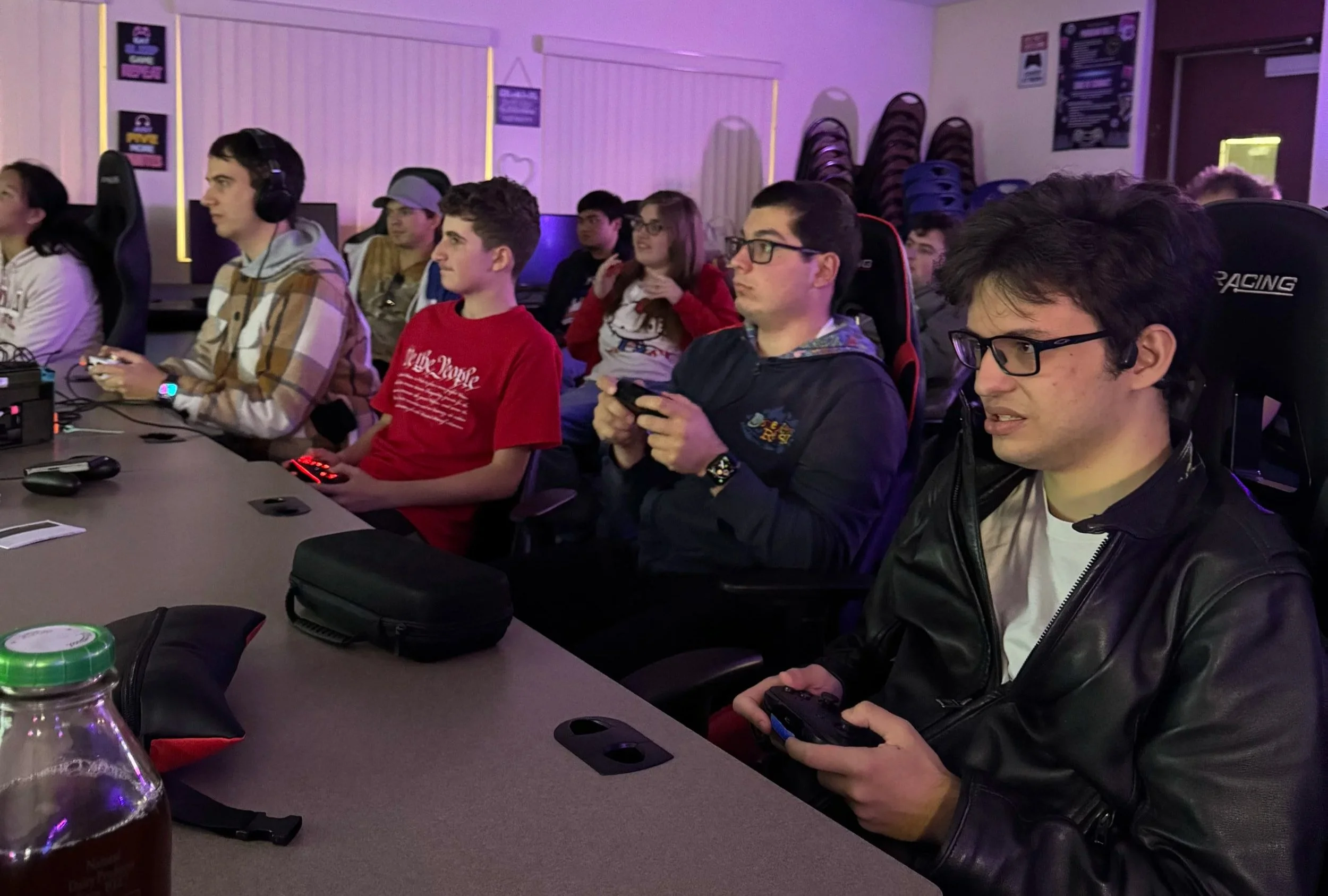
Social Development Is More Than “Making Friends”
When families think about social development, friendship is often the first thing that comes to mind — and friendship is deeply important. But social development includes so much more.
It can look like:
learning how to greet someone new
taking turns during a game or activity
asking for help instead of shutting down
practicing patience when something feels hard
celebrating another person’s win
recovering after conflict or disappointment
learning how to be part of a team
building confidence in a community setting

A systematic review published in Frontiers in Rehabilitation Sciences found that social skills in individuals with intellectual disability can be supported through multiple strategies, including classroom-based intervention, emotional intelligence training, peer network intervention, computer games focused on emotion regulation, and other structured methods.
That matters because social skills are teachable. They can be practiced. They can be supported. And they can grow over time when the environment is safe, structured, and compassionate.
What Happens When Social Development Is Missing?
A lack of social development can
quietly affect nearly every part of life.
Without enough safe opportunities to practice connection, IDD individuals may experience more isolation, fewer friendships, lower confidence, limited community participation, and fewer chances to build independence. Over time, this can impact emotional well-being, physical activity, communication skills, and a person’s sense of identity.
The U.S. Surgeon General’s advisory on loneliness and isolation describes social disconnection as a major public health concern, noting that its mortality impact can be similar to smoking up to 15 cigarettes a day.
For IDD individuals and families, that statistic is more than shocking — it is a reminder that inclusion cannot be treated as optional.
A 2023 article on social inclusion for adults with intellectual and developmental disabilities notes that social inclusion is associated with benefits including friendships, community participation, happiness, self-esteem, confidence, mental health, and quality of life.
At its heart, social development helps answer one of the most human questions:
Where do I belong?

How UESL Helps Clients Build Social Skills in a Safe + Supportive Space
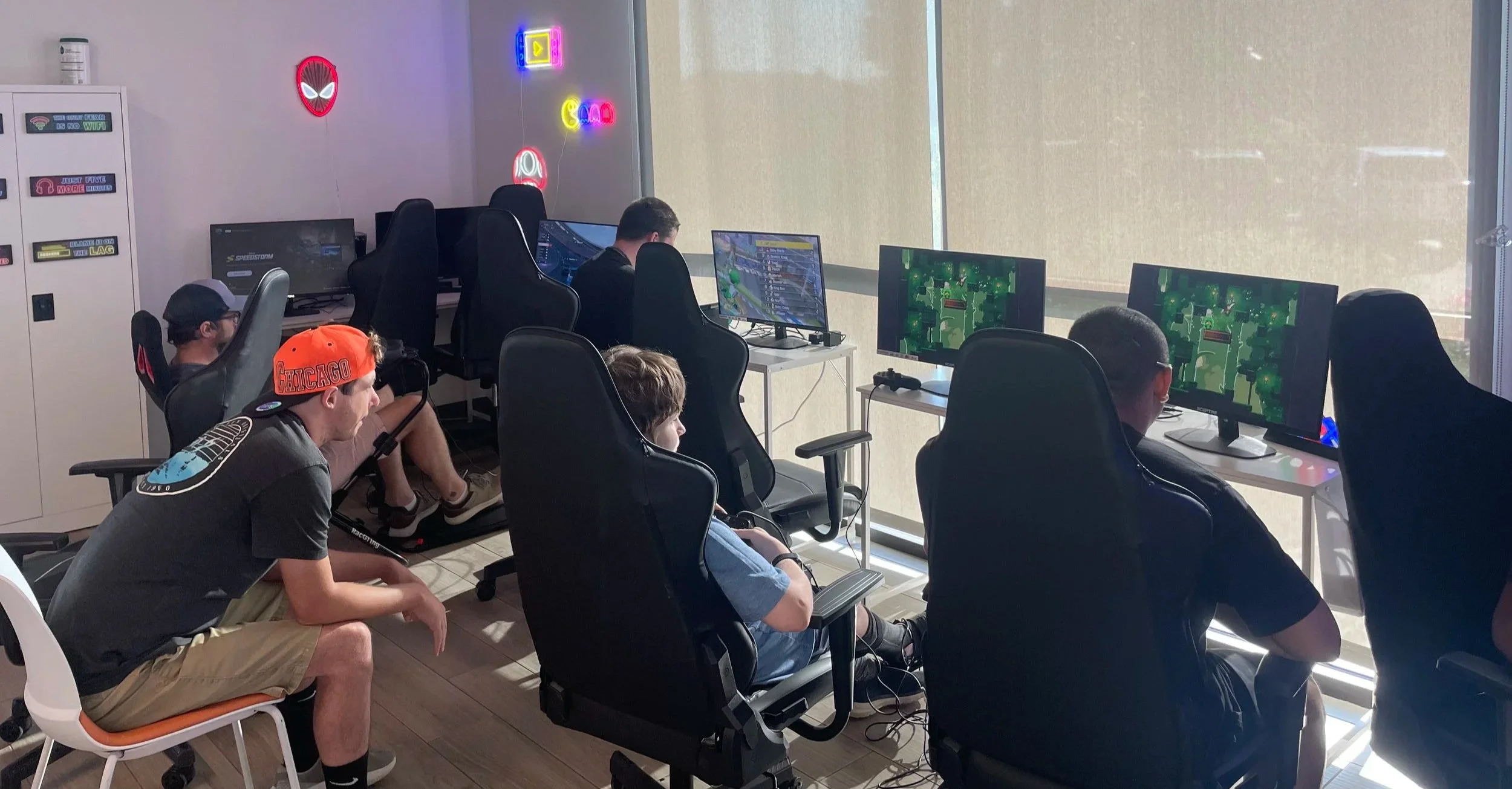
At UESL, our UNIFIED Technology Centers are designed to give IDD clients more than access to games and technology. They are spaces for connection, growth, teamwork, and belonging.
Clients are supported by compassionate, IDD-informed coaches who help guide social development in real time. That support might look like helping a client join a group activity, encouraging communication during a team-based game, redirecting frustration, modeling sportsmanship, or helping a client try something new when they feel unsure.
Our approach is structured, but never one-size-fits-all. Each client’s experience is guided by their needs, interests, communication style, comfort level, and goals.
Through each client’s Individualized Technology Education Plan, or ITEP, UESL coaches identify the tools, techniques, technologies, and support strategies that may help that client grow. The goal is not to force every client into the same version of progress. The goal is to meet each person where they are and help them move forward with dignity.
A client who starts by quietly observing may eventually join a shared activity.
A client who struggles with losing may begin practicing emotional regulation.
A client who rarely initiates conversation may begin greeting a coach or teammate.
A client who feels nervous in group settings may slowly discover that they are part of something.
That is growth.
Why Gaming + Technology Can Be Powerful Tools for Social Development
Technology gives many clients a shared language.
For some IDD individuals, face-to-face conversation can feel intimidating. But a game, simulator, creative tool, or technology-based activity can create a natural bridge into interaction. Clients can communicate through shared goals, teamwork, turn-taking, problem-solving, and celebration.
Research has explored the use of video games as tools for people with intellectual disability, including potential support across socio-emotional, cognitive, motor, and inclusion-related domains.
At UESL, technology is not used as a distraction from life skills. It becomes the pathway into them.
A multiplayer game can become a lesson in communication.
A racing simulator can become a moment of focus and patience.
A team challenge can become practice in collaboration.
A wellness break can become a chance to connect away from screens.
Social Growth Can Continue Beyond the Technology Center
One of the most meaningful parts of social development is when growth starts showing up outside the program.
A client may become more confident greeting people.
A parent may notice stronger communication at home.
A coach may see a client recover from frustration faster.
A teammate may become a friend.
These moments matter because they are not just “program wins.” They are life wins.
At UESL, families receive bi-monthly progress reports so they can better understand how their loved one is growing over time. These updates help connect what coaches are seeing in the Technology Center with the skills families may notice in everyday life.
Progress is not always loud. Sometimes it looks like a client trying again. Sometimes it looks like a smile. Sometimes it looks like staying in the room a little longer than last time.
And sometimes, it looks like finally feeling like part of a team.
Join a Community Built for Support, Growth + Belonging
UESL serves IDD individuals across San Diego + Imperial Counties through safe, structured, supportive UNIFIED Technology Centers. Our programs are designed to help clients explore technology, build life skills, practice social development, connect with peers, and grow with guidance from trained coaches.
If you are searching for IDD services, special needs support, a San Diego Regional Center approved vendor, or a technology + life skills program where your loved one can feel accepted and encouraged, UESL is here to help.
Ready to Take the First Step?
If you’re ready to take your first step toward being part of this compassionate and supportive community, connect with our concierge Client Services team today.
Here’s how the enrollment process works:
1. Connect with Client Services
Reach out to our team through the website, phone, or email. We’ll answer your questions and help you understand whether UESL may be a good fit.
2. Schedule a One-on-One Tour
Families are invited to visit a UNIFIED Technology Center, meet the team, ask questions, and see the environment in person.
3. Review Eligibility + Authorization
For eligible clients, our team helps guide families through the process of connecting services with San Diego Regional Center authorization.
4. Complete Intake Forms
Once your family is ready to move forward, our Client Services team will help collect the information needed to support your loved one safely and thoughtfully.
5. Confirm Schedule + Start Date
Together, we’ll confirm the best location, schedule, and start date.
6. Begin Your First Day at UESL
Clients are welcomed into a structured, supportive environment where coaches help them explore technology, build confidence, practice life skills, and connect with their team.
Email: services@unifiedesl.com
Phone: +1 (619) 354-0733
Let’s Level-Up Together!
Source List
CDC — Health Effects of Social Isolation and Loneliness
U.S. Surgeon General — Our Epidemic of Loneliness and Isolation
Jacob, Edozie + Pillay — Strategies for Enhancing Social Skills of Individuals with Intellectual Disability
Stancliffe et al. — Social Inclusion of Adults with Intellectual and Developmental Disabilities
Contreras et al. — Videogame-Based Tool for Learning in Motor, Cognitive + Socio-Emotional Domains for People with Intellectual Disability