What is VR? And why IDD families should care.
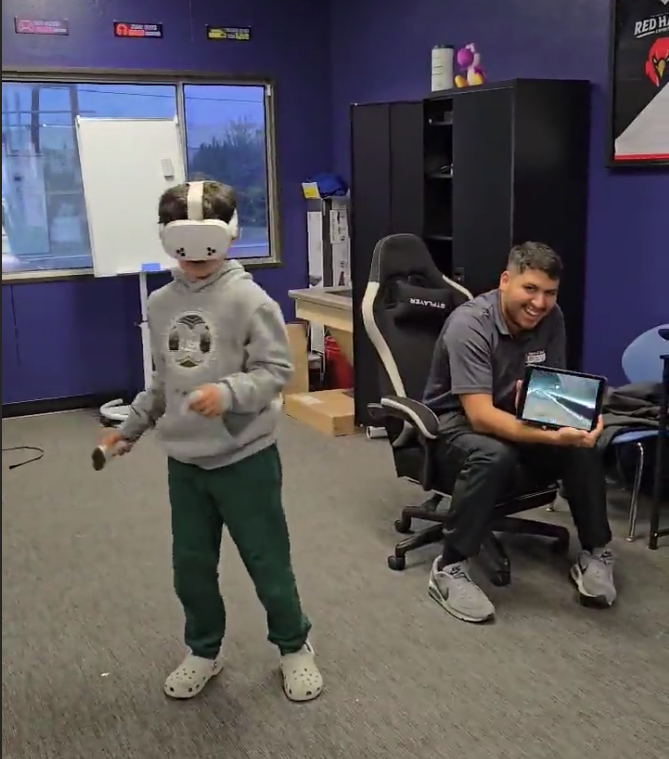
Virtual Reality Is Helping Individuals with IDD Build Confidence, Skills + Independence
There are moments when something new opens a door you didn’t even know existed.
For many individuals with intellectual + developmental disabilities, virtual reality is becoming one of those doors.
Not because it’s flashy.
Not because it’s trending.
But because it creates something incredibly important:
A safe place to try.
At UNIFIED, we see it every day — that first moment of hesitation turning into curiosity… then confidence… then pride.
And that’s where real growth begins.
What is virtual reality?
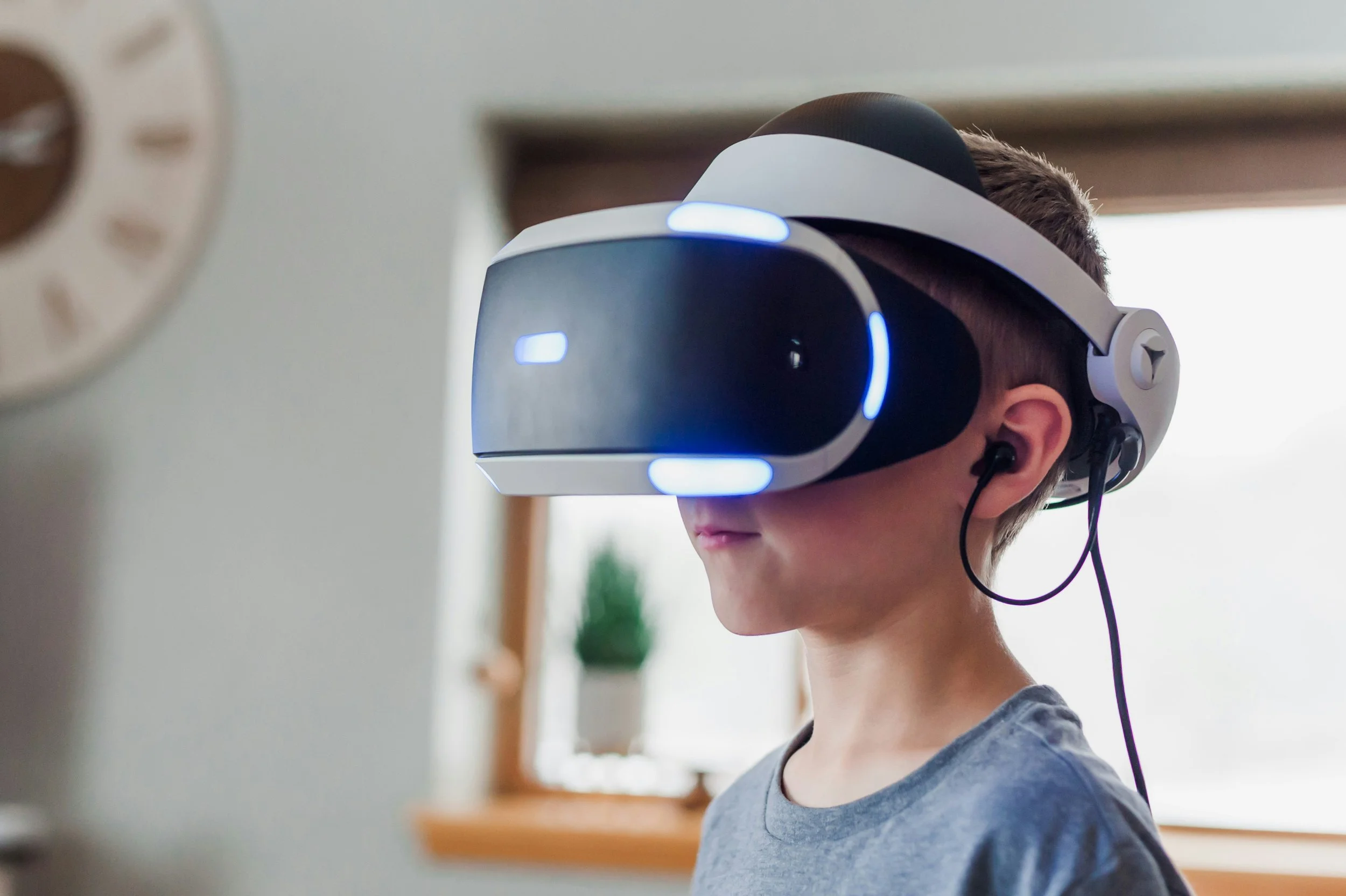
Virtual reality (VR) allows someone to step inside a digital experience instead of just watching it on a screen.
It can look like:
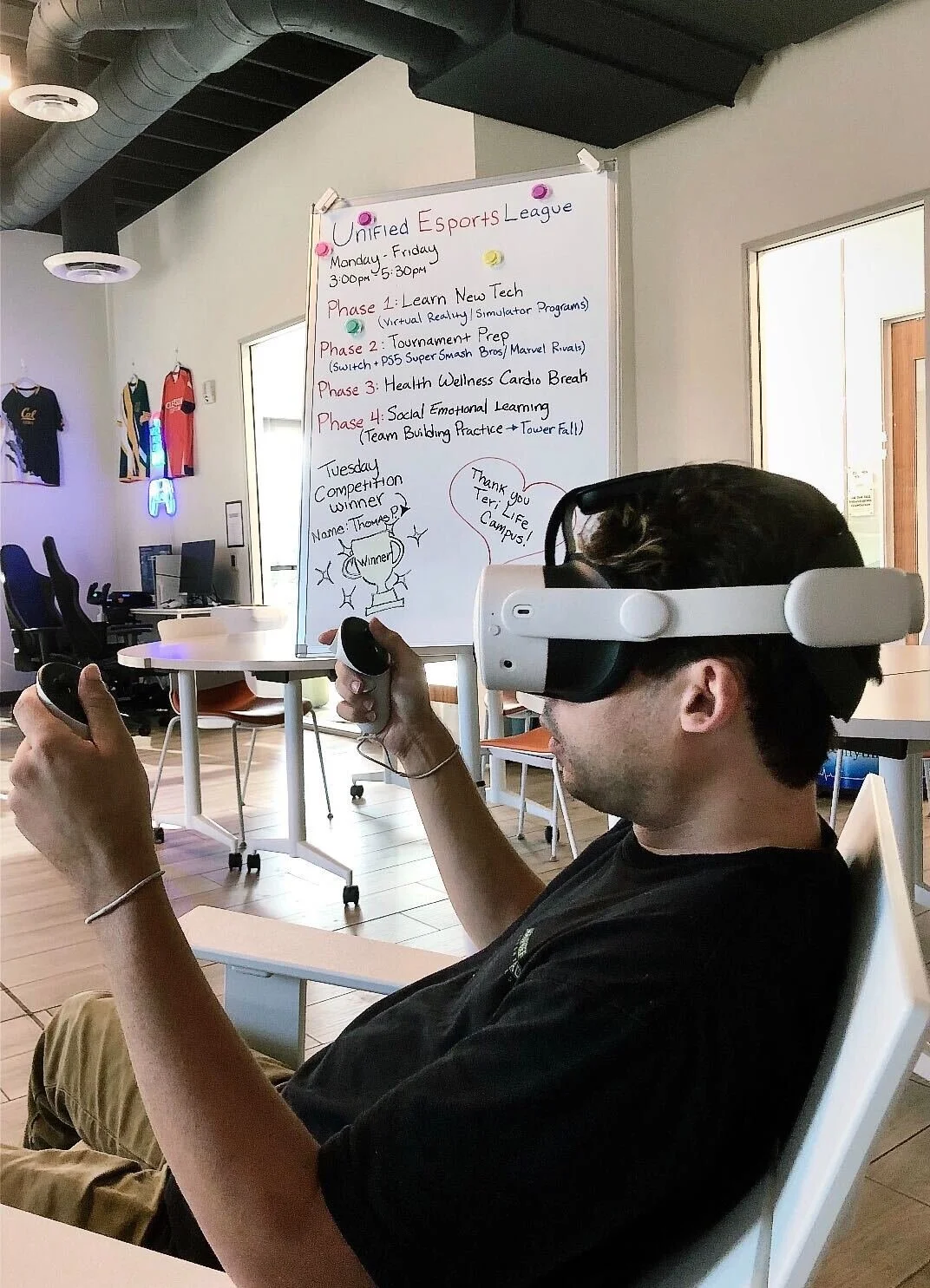
A headset that immerses someone in a 3D world
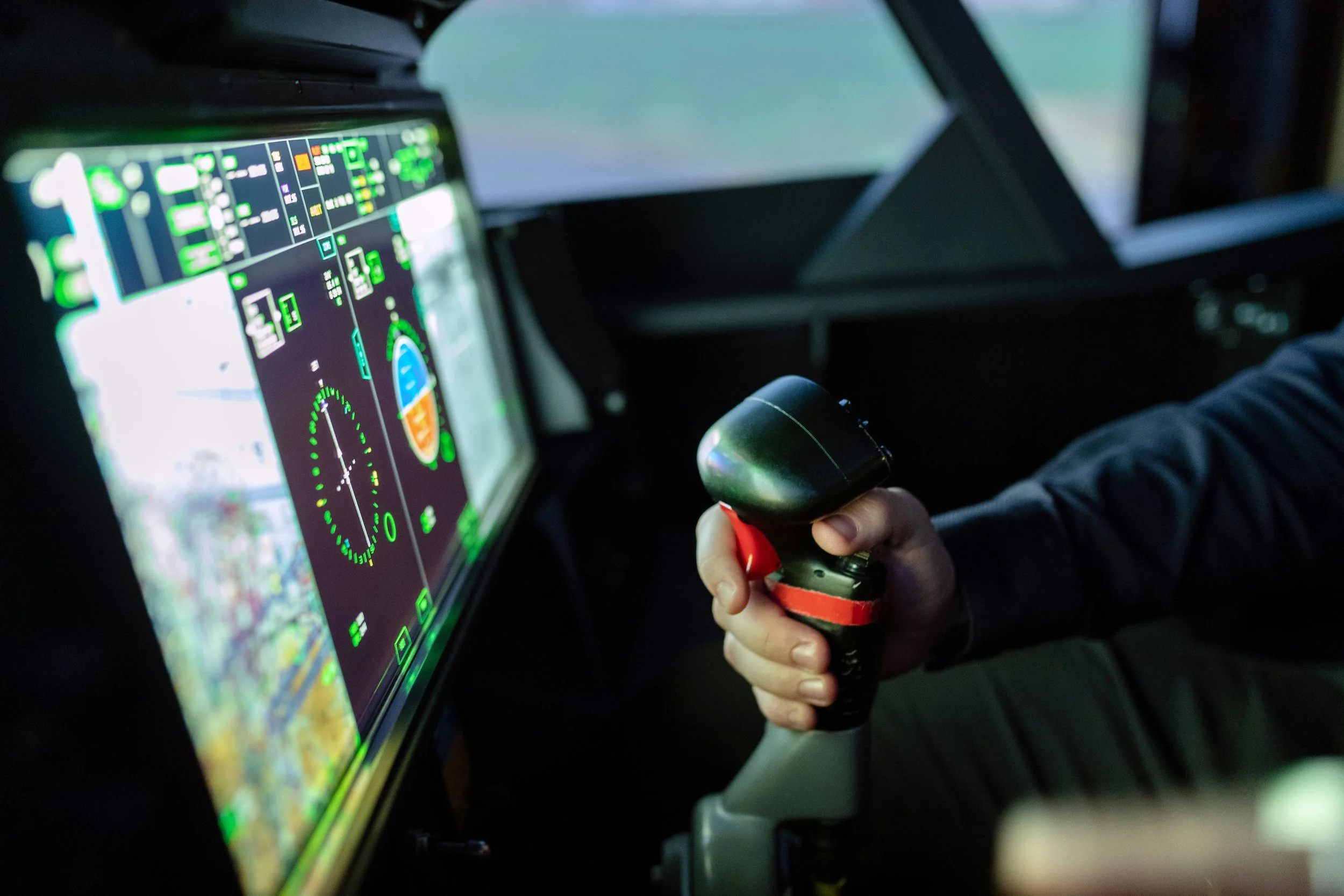
Interactive simulations
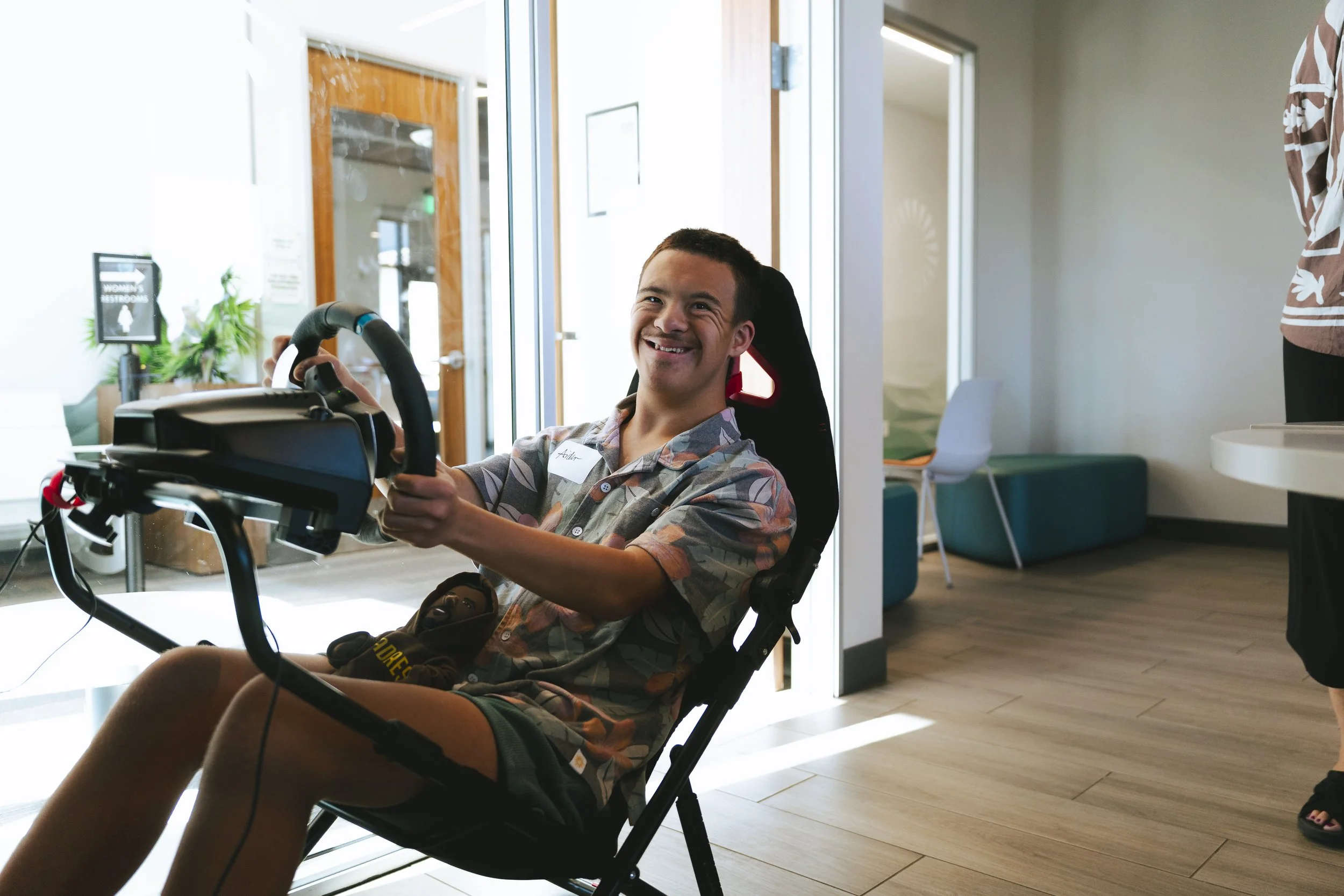
Motion-based environments that respond to movement
But what matters most is not the technology itself. It’s what the experience allows someone to do.
Why VR can be so powerful for individuals with IDD + special needs
Every individual learns differently. Many individuals with IDD benefit from:
Hands-on learning
Visual experiences
Repetition without pressure
Guided support
VR brings all of those together.
It creates an environment where someone can:
Try something new without fear of failure
Repeat skills at their own pace
Stay engaged through interactive experiences
Build confidence step by step
And importantly — they don’t have to do it alone.
With the right coaching and support, VR becomes more than technology.
It becomes a tool for growth.
What can VR help with?
Virtual reality is being used in research, education, and therapy settings to support meaningful development in individuals with IDD + special needs.
Life skills practice
VR allows individuals to practice real-world tasks in a controlled, repeatable environment. Research shows VR training can improve real-world skill performance and generalization.
Social confidence
Structured virtual environments can help individuals practice communication and social interactions. Studies have found VR interventions can improve social skills in individuals with autism.
Health + wellness
Movement-based VR experiences can support coordination, balance, and physical activity — aligning with whole-body wellness goals.
Confidence + independence
Sometimes the biggest step is simply trying. VR creates a space where individuals can succeed, build confidence, and carry that feeling into the real world.
Why this matters for families
As a parent or caregiver, you’re not just looking for activities.
You’re looking for:
Progress
Support
Safety
Real opportunities for your loved one to grow
Technology alone doesn’t create that - the environment does.
That’s why research consistently emphasizes that VR is most effective when it is:
Guided
Personalized
Supported by trained professionals
When those pieces come together, VR becomes more than a tool.
It becomes an opportunity.
How UNIFIED uses VR
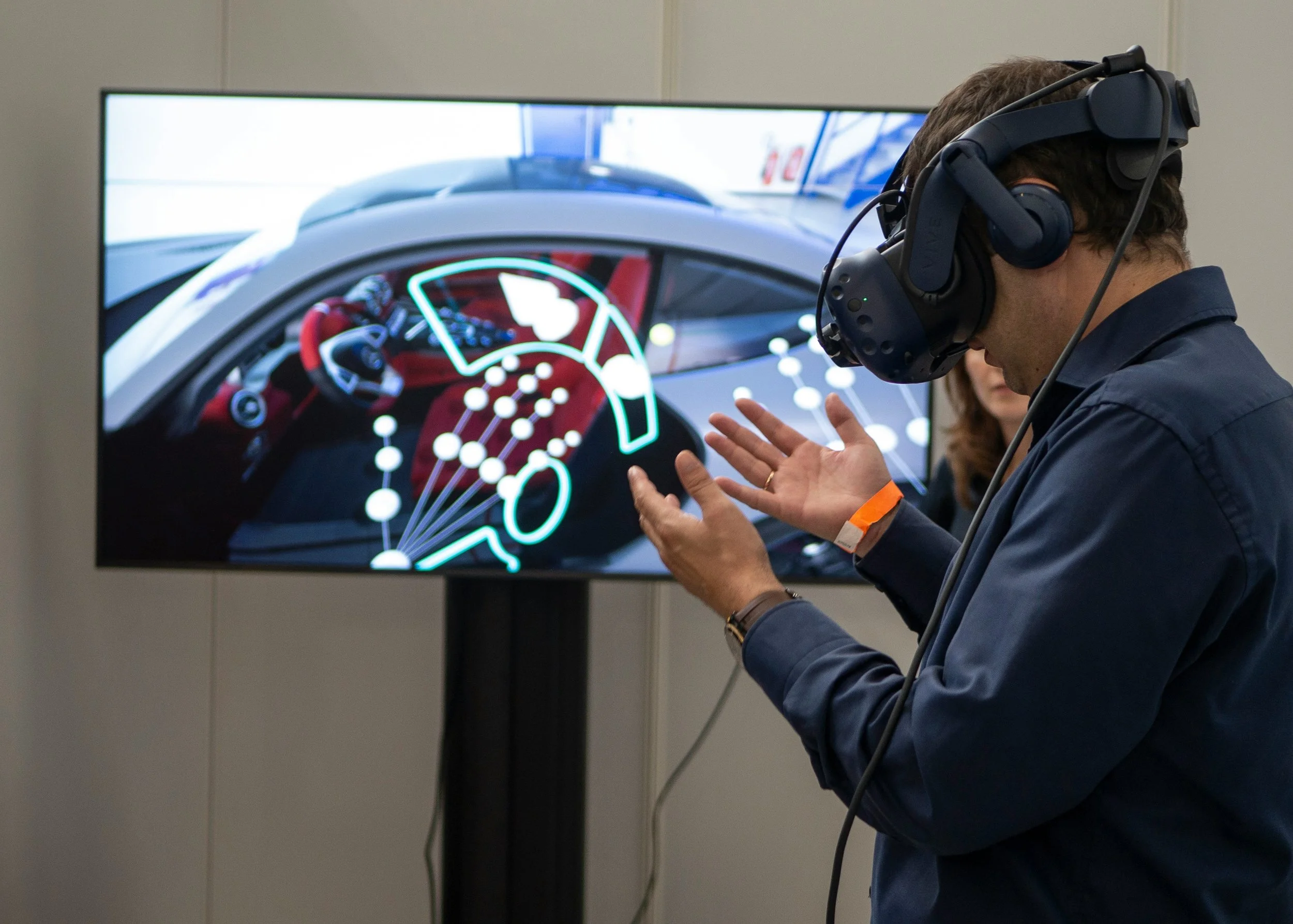
At UNIFIED, virtual reality is one of many tools we use inside our UNIFIED Technology Centers to support each client’s individual goals.
We use VR to help clients:
Explore new technology in a safe + supportive space
Build confidence through guided experiences
Practice coordination, focus, and problem-solving
Engage in movement-based activities aligned with our Healthy Gamer philosophy
Experience joy, connection, and accomplishment
Most importantly, our IDD-trained coaches are always there — offering encouragement, guidance, and support every step of the way.
Because progress doesn’t come from technology alone.
It comes from the combination of:
technology + structure + human connection.
Research-backed impact
Research continues to support the use of virtual reality for individuals with IDD + special needs:
Immersive VR has been shown to be more effective than non-immersive tools for developing real-world skills
VR training can improve skill generalization into everyday life
VR interventions have demonstrated positive effects on social skills in autism
This growing body of research reinforces what we see every day:
When used intentionally, VR can help individuals learn, grow, and build confidence in meaningful ways.
The bigger picture
Virtual reality is not a replacement for real-world experiences.
It’s a bridge to them.
It gives individuals a place to practice, to build confidence, and to discover what they’re capable of — before stepping into something new.
And for many families, that bridge can make all the difference.
Want to see it for yourself?
If you’re curious how virtual reality + other innovative technology can support your loved one’s growth, we invite you to experience it firsthand.
Come see the environment.
Meet the team.
Watch the moments that matter.
Anyone interested in seeing how our clients are building confidence, developing skills, and growing as gamers + incredible individuals is encouraged to contact our team right away for a one-on-one tour of a UNIFIED Technology Center.
Research + Professional References
Franze, A., Loetscher, T., Gallomarino, N. C., Szpak, A., Lee, G., + Michalski, S. C. (2024). Immersive virtual reality is more effective than non-immersive devices for developing real-world skills in people with intellectual disability. Journal of Intellectual Disability Research. DOI: 10.1111/jir.13177.
Michalski, S. C., et al. (2023). Improving real-world skills in people with intellectual disabilities. Journal of Applied Research in Intellectual Disabilities.
Yang, X., et al. (2025). Effectiveness of Virtual Reality Technology Interventions in Improving Social Skills for Children and Adolescents With Autism Spectrum Disorder: A Systematic Review.
Yi, Y. J., et al. (2024). Design Considerations for Virtual Reality Intervention for People With Intellectual and Developmental Disabilities: A Systematic Review.
Buele, J., et al. (2023). Virtual reality applications based on instrumental activities of daily living: A systematic review.