How UESL Coaches Help Build Emotional Regulation, Patience + Teamwork
At the heart of every UESL session is more than just gameplay — it’s a carefully guided opportunity for students to develop emotional regulation, patience, cooperation, and teamwork. For many individuals with intellectual or developmental disabilities (IDD), traditional social settings can feel overwhelming or unpredictable. UESL’s approach leverages the structure, feedback, and shared goals of video games to create a safe space where growth isn’t just possible — it’s built into every session.
So let’s explore how UESL coaches support emotional regulation, patience, and teamwork, why that matters, and how real-world research supports what we see in centers every day.
Why Games + Coaching Matter: What Research Shows
Games as tools for social-emotional learning
A recent 2025 study titled Game-Based Social-Emotional Learning for Youth found that structured gaming — when combined with mentor/coach guidance — significantly strengthens social-emotional skills and resilience in youth.
This aligns with broader findings from the scoping review, “Is there evidence that playing games promotes social skills ...”, which concluded that game-based programs consistently improved social skills among autistic children and youth.
In short: video games — especially when guided by informed coaches — are far from a “just for fun” activity. They are increasingly recognized as meaningful platforms for emotional and social growth.
Structured play fosters cooperation, self-control + teamwork
The 2025 study Bridging Social Gaps: Impact of Physical and Digital Games On Children with intellectual disabilities, which demonstrated that structured games produced measurable improvements in social interactions, emotional regulation, self-confidence, and teamwork. “Power of Play: How Playing Affects Cooperation Skills”, also showed that group games (with appropriate mediation) helped children develop cooperation skills over time.
For UESL participants — many of whom benefit from predictable structure, clear rules, and repeated practice — these findings underscore that consistent, coached gameplay can meaningfully build life skills beyond the screen.
How UESL Coaches Bring This to Life
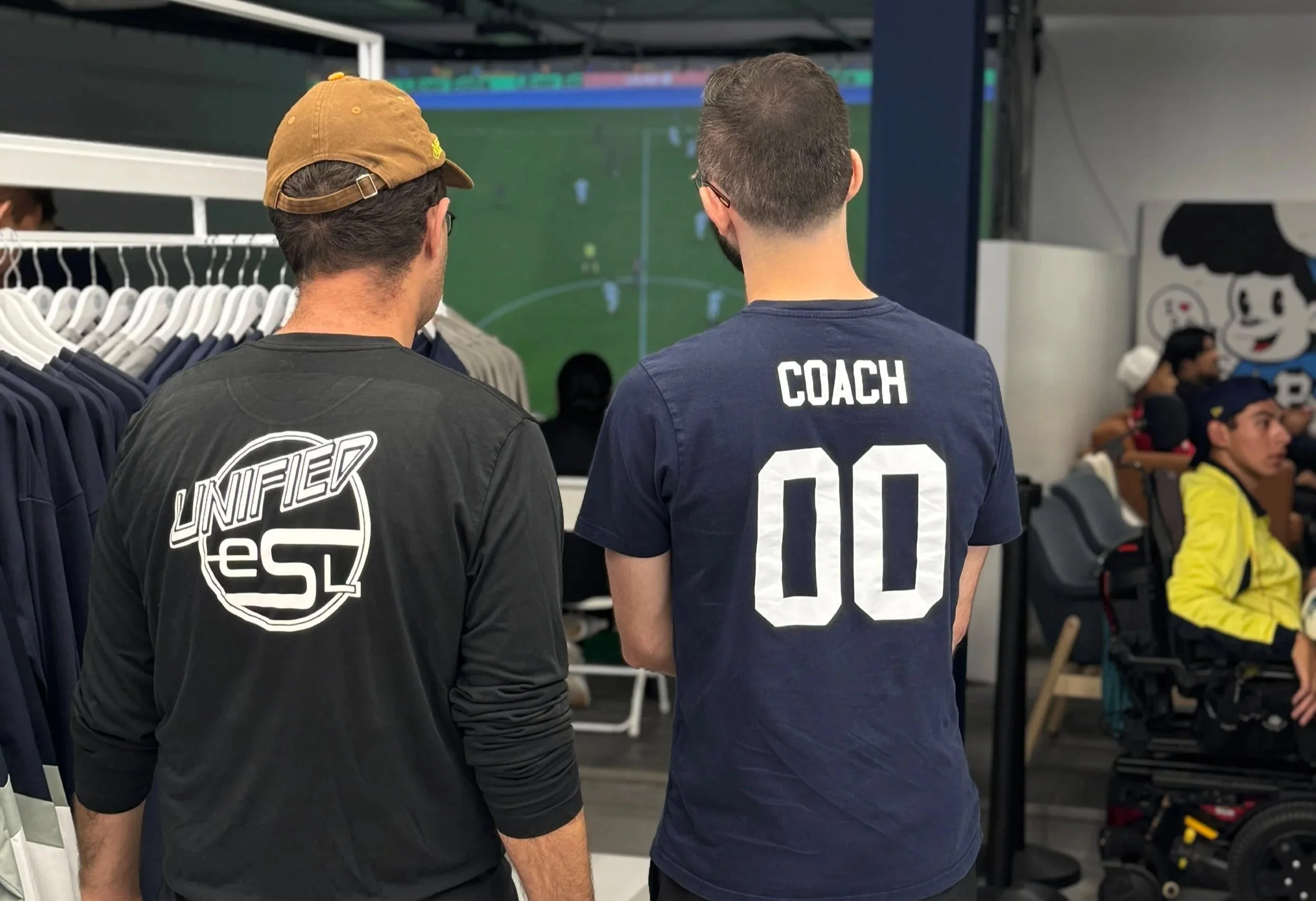
UESL centers embed emotional regulation, patience, and teamwork into every session — and this is why that matters.
1. Intentional Game Selection + Coaching Style
Coaches choose games that emphasize collaboration, shared objectives, or turn-taking rather than purely competitive or chaotic games.
Sessions are intentionally paced: coaches scaffold the experience so clients can practice patience, waiting their turn, or considering others’ actions.
When emotions run high (frustration, excitement, confusion), coaches step in to model calm — helping clients pause, take deep breaths, or reframe challenges as practice rather than stress.
2. Social-Emotional Skills Embedded in Gameplay
Coaches encourage communication: teammates must coordinate roles, strategy, and problem solve together. This builds cooperation, communication, and shared responsibility.
After sessions or challenging moments, coaches debrief: talk through what happened, how it felt, what strategies helped — turning digital conflict into real-world social and emotional learning.
Over time, clients build trust with coaches and peers — forming a community where social-emotional growth is normalized and reinforced.
3. Consistency + Progress Tracking
UESL doesn’t treat gaming like a casual pastime. Each session is part of a broader plan designed to gradually build patience, regulation, and social skills.
Coaches track behavioral and social milestones: reduction in overstimulation, improved turn-taking, increased ability to pause and reorient after frustration.
Over weeks and months, many clients show increased self-confidence, better emotional control, and more effective collaboration.
What We See in Real Life — Client Growth in Action
At UESL, we often see transformations that echo what research demonstrates:
Clients previously overwhelmed by group settings now thrive in cooperative gameplay — showing increased willingness to join in, communicate, and even lead.
Moments of frustration shift: instead of meltdown or shutdown, some clients learn to verbalize discomfort (“I’m stuck,” “I need a break”) or ask for help.
Teamwork becomes a bridge to social connection — friendships, shared in-session victories, and a sense of belonging.
These changes aren’t abstract. They ripple into home life, school, and social settings — making video games not just entertainment, but stepping stones to real-world growth.
Why This Matters for Families + Supporters
Safe, structured space: For many with IDD, unstructured social environments can be overwhelming. UESL gaming sessions offer predictable rules, guidance, and a safe place to practice social skills.
Transferable life skills: Emotional regulation, patience, cooperation, communication — these are valuable beyond gaming. A calm reaction in a match can translate to calmer responses at home or school.
Community + belonging: Shared interests, teamwork, and positive social experiences help clients develop friendships and a sense of identity.
Data-informed + supportive of quality of life: Backed by recent research and measured progress, UESL’s approach demonstrates that gaming + coaching isn’t about screen time — it’s about building skills.
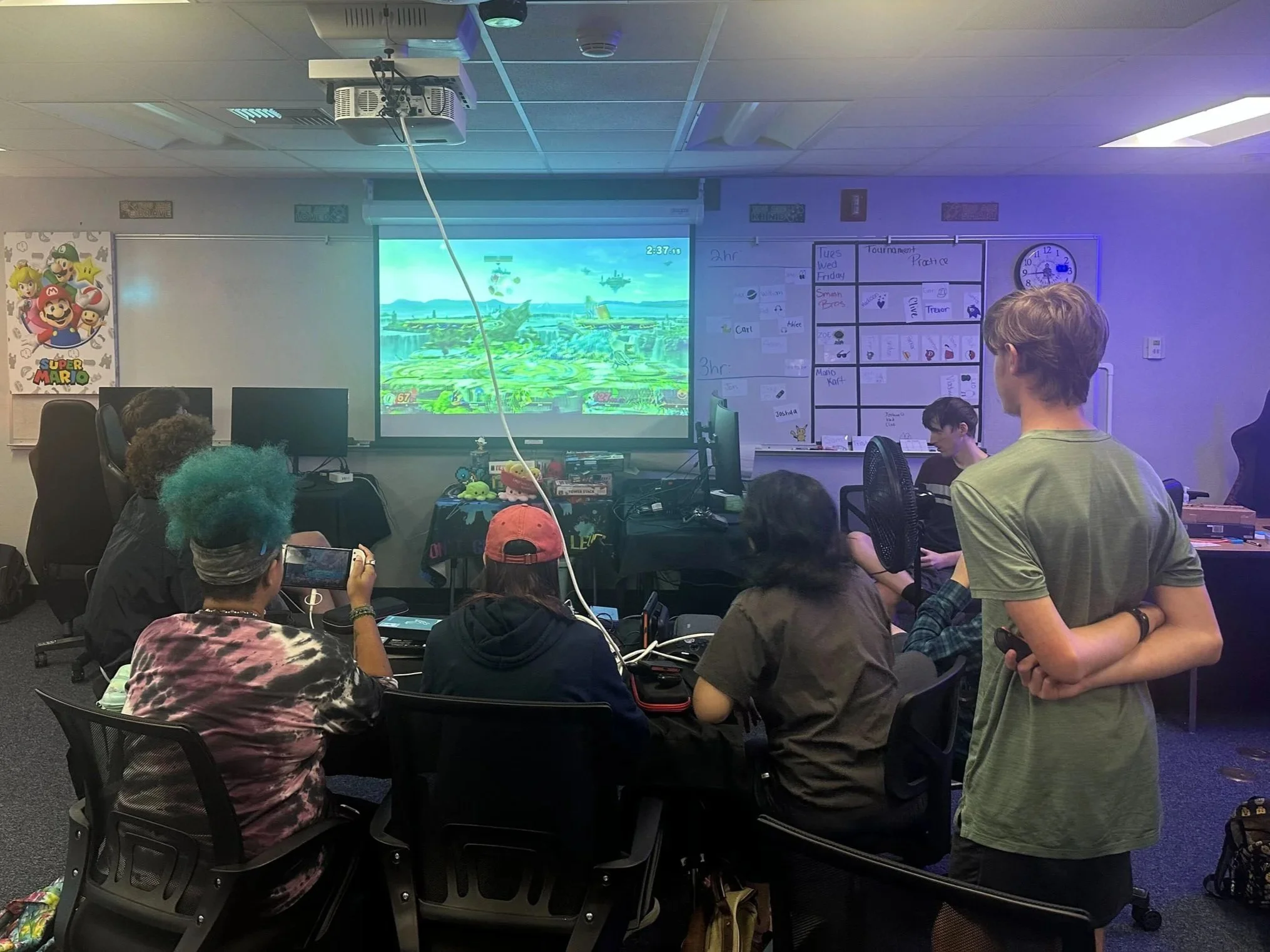
At UESL, the console or PC isn’t just a tool for play — it’s a classroom for life skills. Through guided coaching, intentional game scenarios, and consistent support, we help clients build emotional regulation, patience, cooperation, and teamwork — skills many traditional programs overlook.
As more research confirms the power of game-based social-emotional learning — especially for children and adults with IDD — UESL stands at the forefront: transforming gaming from pastime to purpose.
If you’d like to learn more about our coaching approach, or are interested in enrolling or supporting a loved one, reach out. We’d be honored to connect.