Simulators + IDD: Why Driving + Flight Training Tech Can Be a Bridge to Real-World Independence
If you’ve ever watched someone sink into a racing game, a flight simulator, or a VR “real-life” scenario, you already understand the magic of simulators: they make hard things feel possible. They take a complex real-world task, break it into learnable parts, and let you practice—again and again—until your brain and body start to trust the process.
For individuals with intellectual + developmental disabilities (IDD), that kind of practice isn’t just fun. It can be life-expanding.
Simulators—driving simulators, flight simulators, VR travel training, and other “practice worlds”—are increasingly being studied as tools that support skill-building, confidence, and real-world participation. Research has explored how virtual driving training can improve driving-related abilities for autistic youth and young adults, and how VR can teach community skills like navigating air travel.
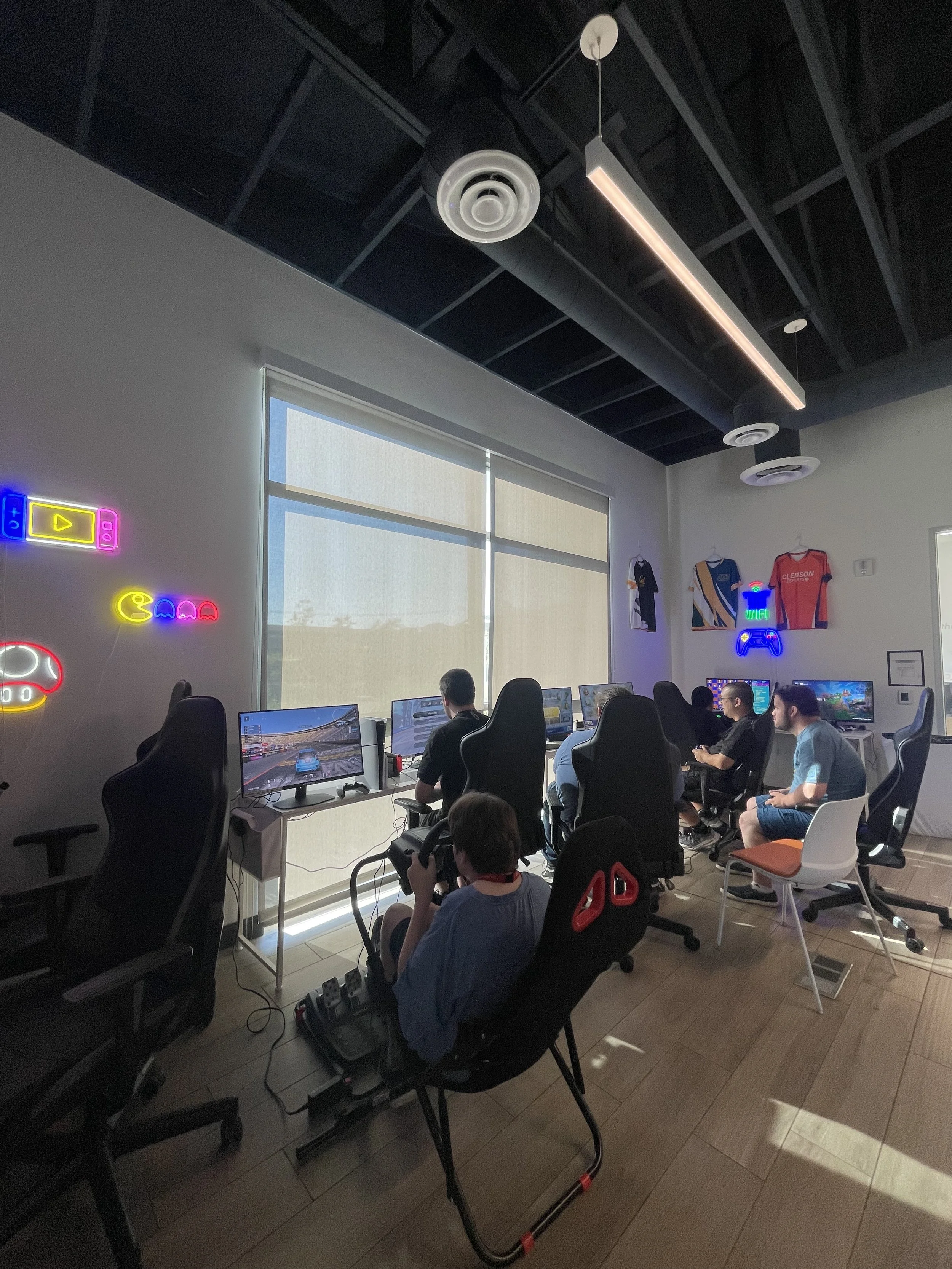
At Unified Esports League (UESL), we believe technology can be more than entertainment—it can be education, independence, and belonging. We provide access to the latest tech so our clients can try, practice, and build real-world skills in supportive, IDD-informed environments across San Diego + Imperial Counties.
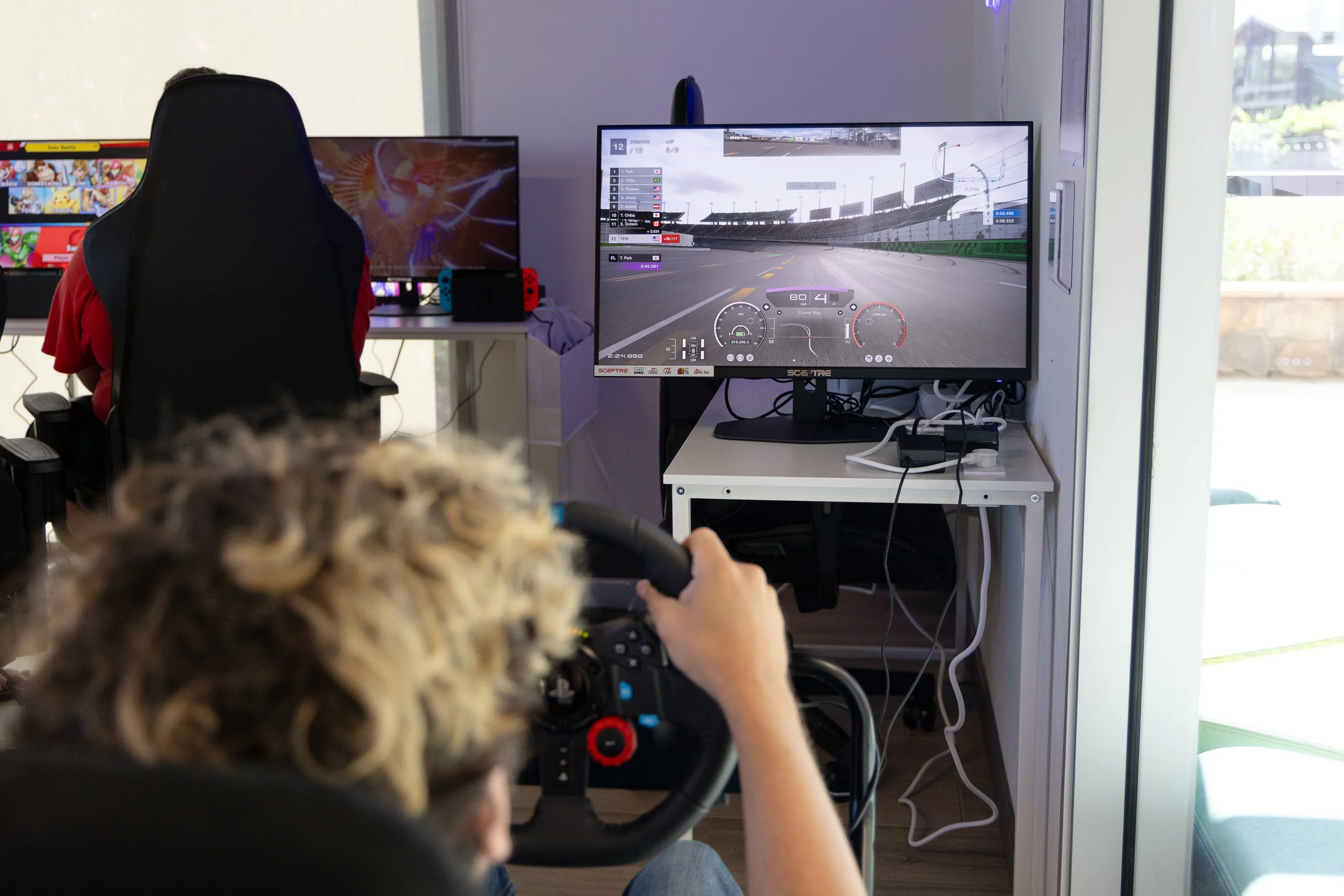
“When she first came to UESL, she had very limited mobility and almost no social interaction. Her parents carried a deep fear that she might never fully build the skills needed to engage with the world around her. Sessions started slowly, with coaches focused on comfort, patience, and trust. Over time, she began showing excitement during racing games, making sounds and reacting to big moments on screen. That interest opened the door to a driving simulator. Little by little, she learned to hold the steering wheel, test the pedals, and maneuver the car in standby mode. Today, she finishes races and even beats CPU opponents. The growth has been remarkable. Her parents have since told us that she has started to show interest in more activities outside of the program and has been able to build friendships with fellow clients in the program.” - Operations Manager, Tamaz
What counts as a “simulator”?
A simulator is any technology that recreates real-life tasks or environments in a controlled way—so a person can practice safely, with guidance, and without the same consequences they’d face in the real world.
Here are a few types you’ve probably seen (or used):
1) Driving simulators
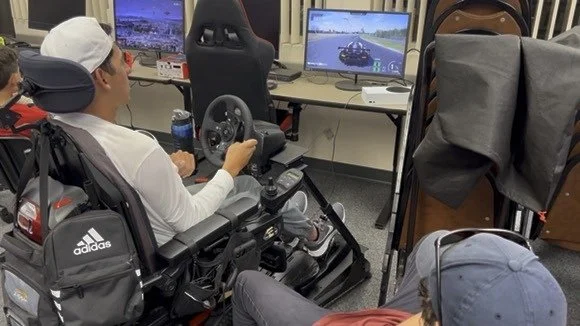
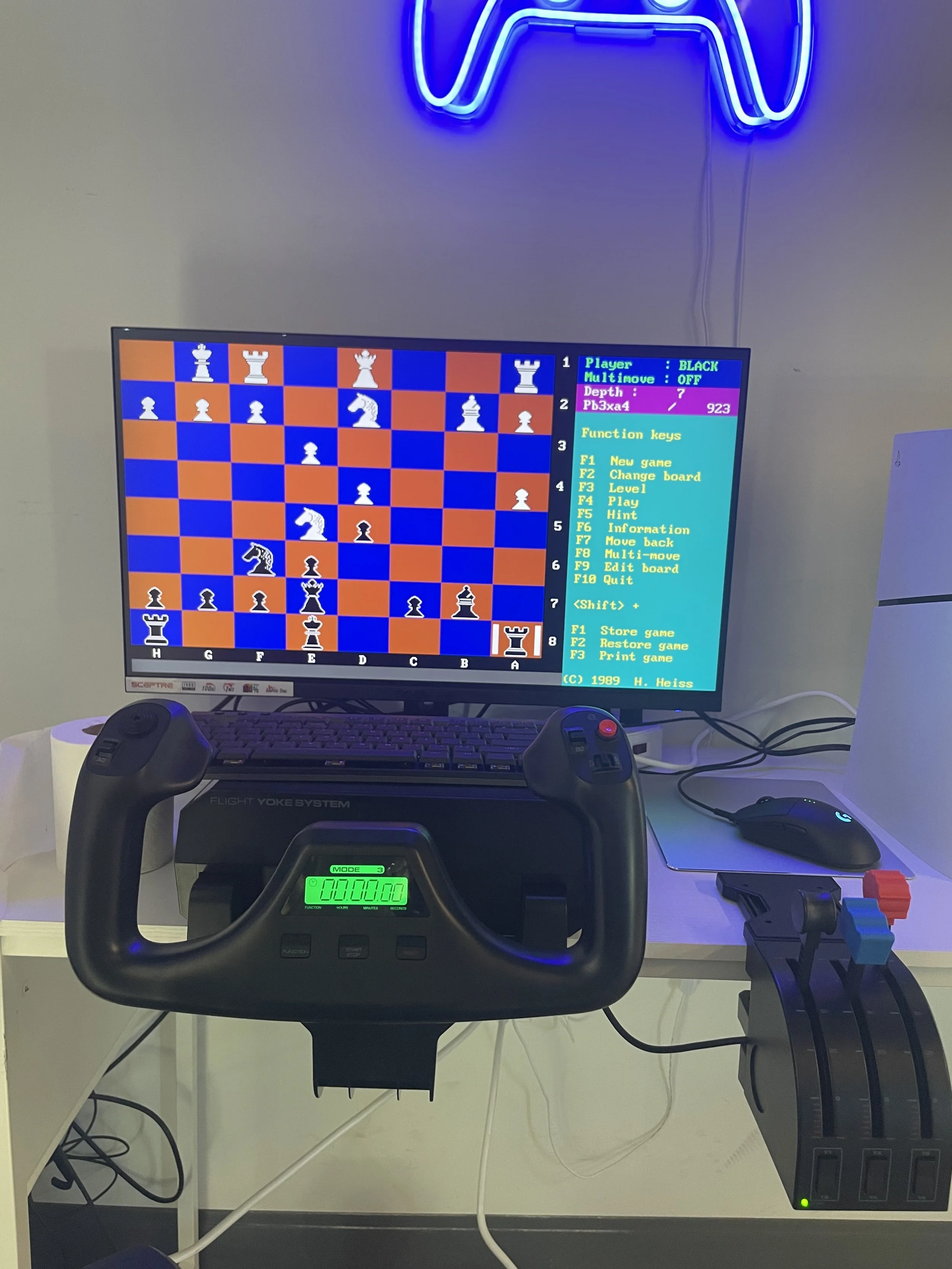
These can range from a basic steering wheel + pedals setup on a screen, to immersive virtual reality driving systems that simulate realistic traffic, weather, road hazards, and decision-making demands.
Driving simulators are often used to practice:
steering control + lane keeping
speed maintenance + braking timing
hazard recognition + attention shifting
multi-step decisions (merging, yielding, navigating intersections)
In research settings, virtual driving simulation training has been studied specifically for autistic novice drivers, with findings suggesting feasibility and potential improvements in driving performance and executive function-related skills.
2) Flight simulators
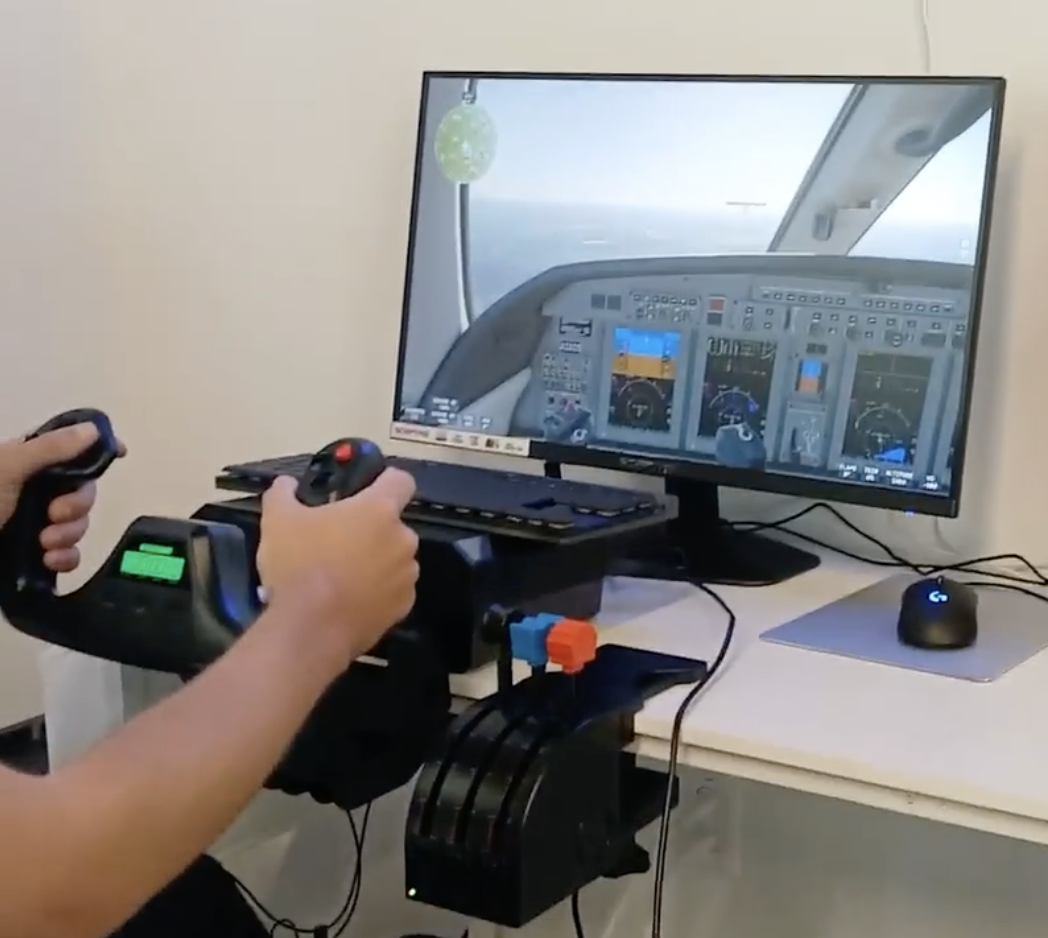
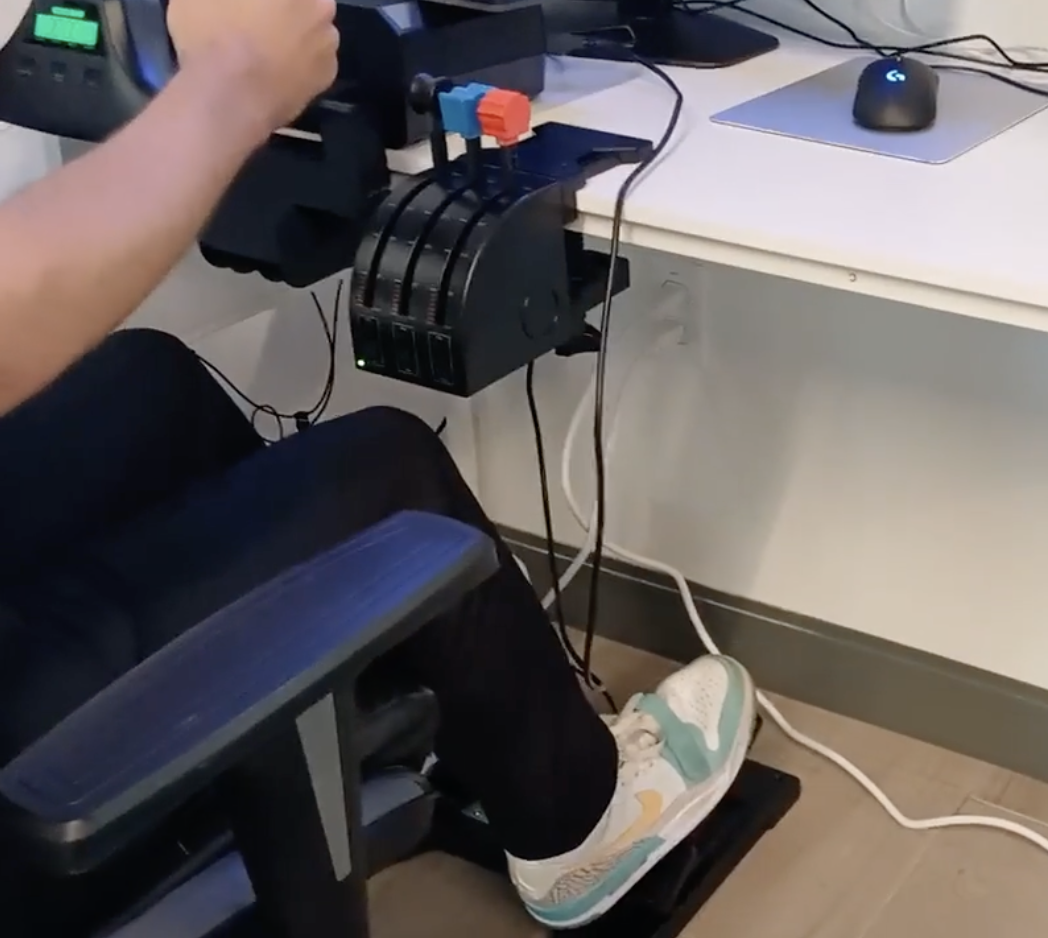
Flight simulators are traditionally used to train pilots, but the underlying benefits—structured routines, step-by-step procedures, attention management, and responding to changing conditions—overlap with skills many IDD learners are actively building.
In IDD services, “flight simulation” more commonly shows up in a related form: air travel training simulations (think: airport navigation, security lines, boarding, and managing sensory stressors).
VR-based air travel training has been piloted with autistic young adults to teach air travel skills in a realistic but controlled way.
3) Community + life skills simulations (VR)
These aren’t “vehicles,” but they’re still simulators: virtual environments designed to practice day-to-day independence, job readiness, and community participation.
A research review of vocational training in virtual environments reported evidence that people with neurodevelopmental disorders can learn skills in virtual environments and transfer them into real-world contexts.
How simulators work (and why they’re so effective for learning)
Simulators are powerful because they combine five ingredients that good learning almost always needs—especially for IDD learners:
Safe repetition without real-world risk
If someone makes a mistake in a driving simulator, nobody gets hurt. The learner can reset, try again, and learn from the moment—without fear.
This is a huge deal for tasks like driving, where real-life practice can be high stakes, overwhelming, or simply inaccessible without supports.
Adjustable difficulty + individualized pacing
Simulators can start simple and build complexity gradually:
quiet roads → busier traffic
predictable scenarios → surprise hazards
short sessions → longer endurance building
This aligns naturally with individualized goal-setting. (At UESL, this connects directly to our ITEP-style approach—building goals, tracking progress, and meeting each client where they are.)
Immediate feedback (the kind the brain can use)
Many simulators provide real-time cues: visual prompts, scoring, alerts, or coaching overlays. That feedback loop helps learners connect “cause → effect” faster than in real life, where feedback can be delayed or unclear.
Multi-sensory practice + regulation opportunities
For many IDD individuals, learning isn’t just cognitive—it’s sensory, emotional, and physical. Simulators can be paired with regulation supports:
breaks
reduced sensory load modes
coaching prompts
shorter sessions to prevent overload
Data that helps coaches coach better
Some systems track measurable skills (reaction time, lane position variance, braking patterns, errors). That can help staff identify what to practice next—and celebrate progress in concrete ways.
What the research says: evidence of benefit for IDD + special needs learners
Simulators and VR tools aren’t magic. They’re tools—and like any tool, outcomes depend on the learner, the coaching, and how training is structured. But research increasingly supports their potential.
Driving simulation training for autistic learners
A well-cited study on virtual reality driving simulation training reported that autistic novice drivers improved driving performance and driving-related executive function compared with a comparison training approach, supporting feasibility and potential efficacy.
There is also randomized controlled trial research evaluating structured driving training interventions for autistic student drivers, reflecting growing clinical attention to driving independence as a meaningful life outcome.
Simulator training for individuals with intellectual disabilities
A 2021 study on simulator-based driving lessons for young adults with intellectual disabilities described how simulators can help identify strengths + limitations quickly and provide skill practice that would be unsafe to trial immediately on real roads.
VR training for real-world community participation (example: air travel)
Air travel is a major barrier for many autistic individuals and families—new environments, long waits, unpredictable sensory inputs, and complex social steps.
A pilot project using VR to teach air travel skills to autistic young adults reported promising outcomes for learning and practicing these steps in a realistic, structured way.
Skill transfer: practicing in virtual environments → using skills in real life
One of the biggest questions families ask is: “But will it transfer?”
A review focused on vocational training in virtual environments reported that multiple studies demonstrate skill transfer from virtual environments to real-world vocational tasks for people with neurodevelopmental disorders.
Taken together, this body of research supports a hopeful, practical idea: when virtual practice is structured well and paired with human coaching, it can support real-world growth.
Why this matters so much for “connection to society”
For many IDD individuals, barriers aren’t about desire—they’re about access:
access to safe practice spaces
access to modern technology
access to trained, patient support
access to social environments where trying is celebrated
Simulators can support connection to society because they help build stepping-stone skills tied to participation, such as:
transportation confidence (driving concepts, navigation, hazard awareness)
community independence (travel steps, public environments, routines)
job readiness (procedural tasks, attention to steps, coping with pressure)
self-advocacy (“I need a break,” “I’m ready to level up,” “I want to try again”)
emotional resilience (recovering from mistakes, staying regulated while learning)
And just as importantly: simulators can create shared experiences—something you do with others, not separate from others. That’s where community forms.
Practical ways families + educators can think about simulator goals
If you’re considering simulator-based training as part of an IDD support plan, here are examples of meaningful, trackable goals:
Attention + scanning: noticing hazards, signs, changes in environment
Sequencing: following steps in order (start → navigate → respond → finish)
Decision-making: choosing the right action under mild time pressure
Emotional regulation: practicing coping strategies when something goes wrong
Confidence: willingness to try again, tolerate challenge, and celebrate progress
Independence routines: travel steps, community safety behaviors, self-advocacy
At UESL, these types of goals fit naturally into individualized, supportive coaching—because “real-world skills” aren’t one-size-fits-all.
Simulators—driving, flight, and VR life-skills environments—are more than games. They’re practice worlds: places where IDD individuals can build confidence, learn real-world routines, and develop skills tied to independence and community participation. Research supports the potential of simulator-based and VR-based training to improve performance in targeted skill areas, including driving-related abilities and community navigation tasks like air travel, especially when paired with structured support.
If you’d like to learn more or explore what this can look like in real life:
Explore more research + stories on The Portal (UESL blog + resources)
Visit our Locations page to find a UNIFIED technology center near you in San Diego + Imperial Counties
Contact UESL Client Services for program info, availability, and how to get started (families, educators, + community partners welcome)