The Science Behind Feeling Seen, Safe + Supported: Why UESL’s Approach Matters for the IDD Community
What happens when someone finds a place where they truly feel like they belong?
A place where their interests are celebrated. Where progress isn't measured against someone else's timeline. Where technology becomes a tool for learning, communication + creativity. Where shared interests can lead to real friendships.
At the UNIFIED Esports League (UESL), these ideas are at the heart of what we do. UESL is a technology + life skills program providing social + emotional growth for the IDD community. We help individuals with intellectual and/or developmental disabilities build confidence, friendships + real-world skills in a safe, coach-supported environment.
And professional research helps explain why the major elements behind this approach matter.
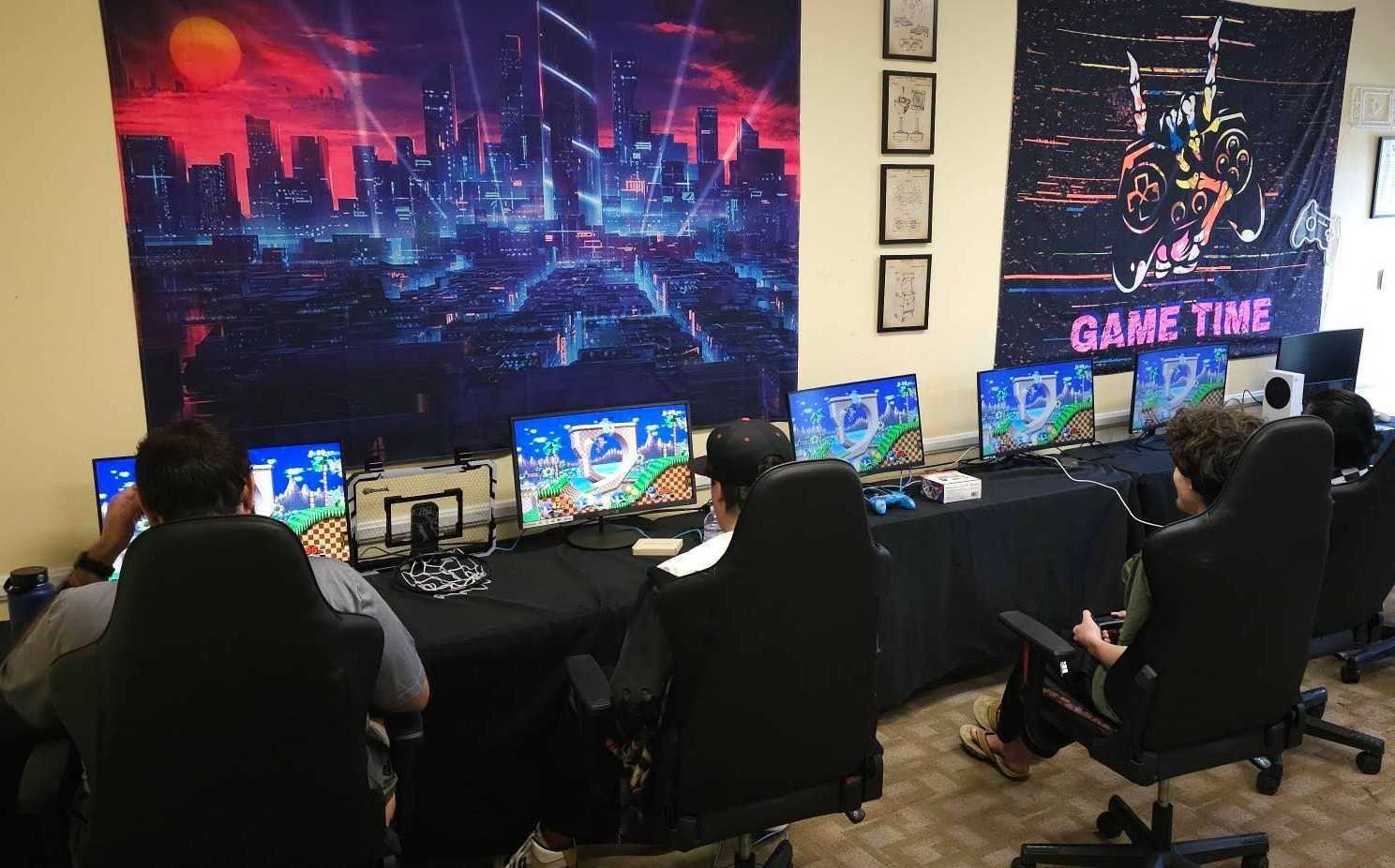
BELONGING CREATES SPACE FOR GROWTH
Feeling like you belong is about much more than simply being included in a room.
A systematic review examining belonging among people with intellectual and developmental disabilities found several important facilitators: feeling respected, accepted + valued; being in familiar and safe environments; having opportunities for social interaction and shared experiences; and being able to exercise self-determination.
These findings reflect something central to UESL's approach:
Before we ask someone to grow, we want them to know they belong.
UESL creates structured environments where individuals can explore their interests, participate at their own level, connect with peers + receive support from coaches who understand that progress looks different for everyone.
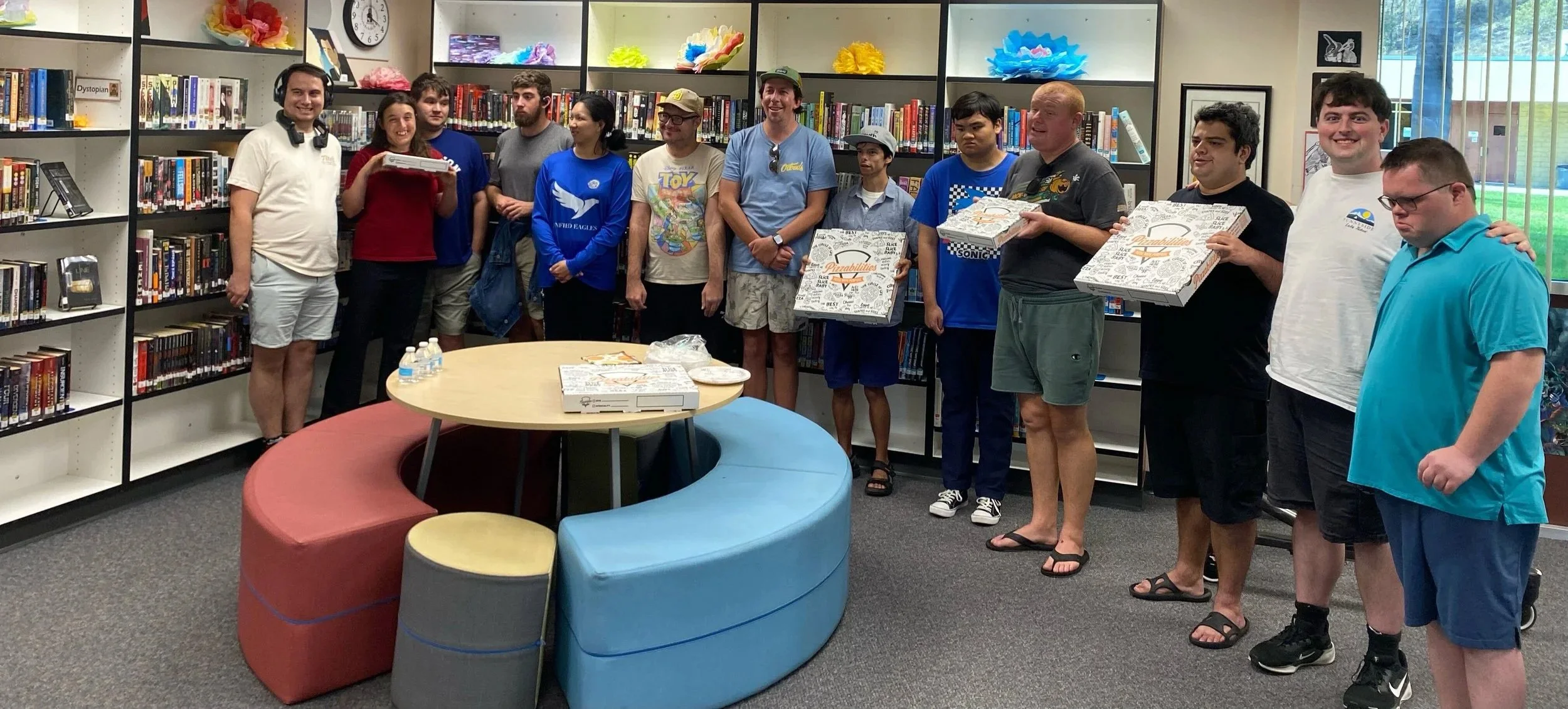
REAL FRIENDSHIPS MATTER
Social connection is not an optional part of a meaningful life.
A 2026 systematic review examining loneliness among people with intellectual disability found a sample-size-weighted mean loneliness prevalence of 41.7% across the intellectual-disability studies reviewed.
Research asking people with intellectual disabilities about friendship has also identified reciprocity, trust + navigating everyday relationship challenges as important parts of meaningful friendships.
That's why UESL focuses on creating opportunities for shared experiences rather than forced socialization.
A favorite game can start a conversation. A cooperative challenge can require teamwork. Two clients might discover they love the same character, technology or activity.
Sometimes those little moments turn into something much bigger: A real friendship.
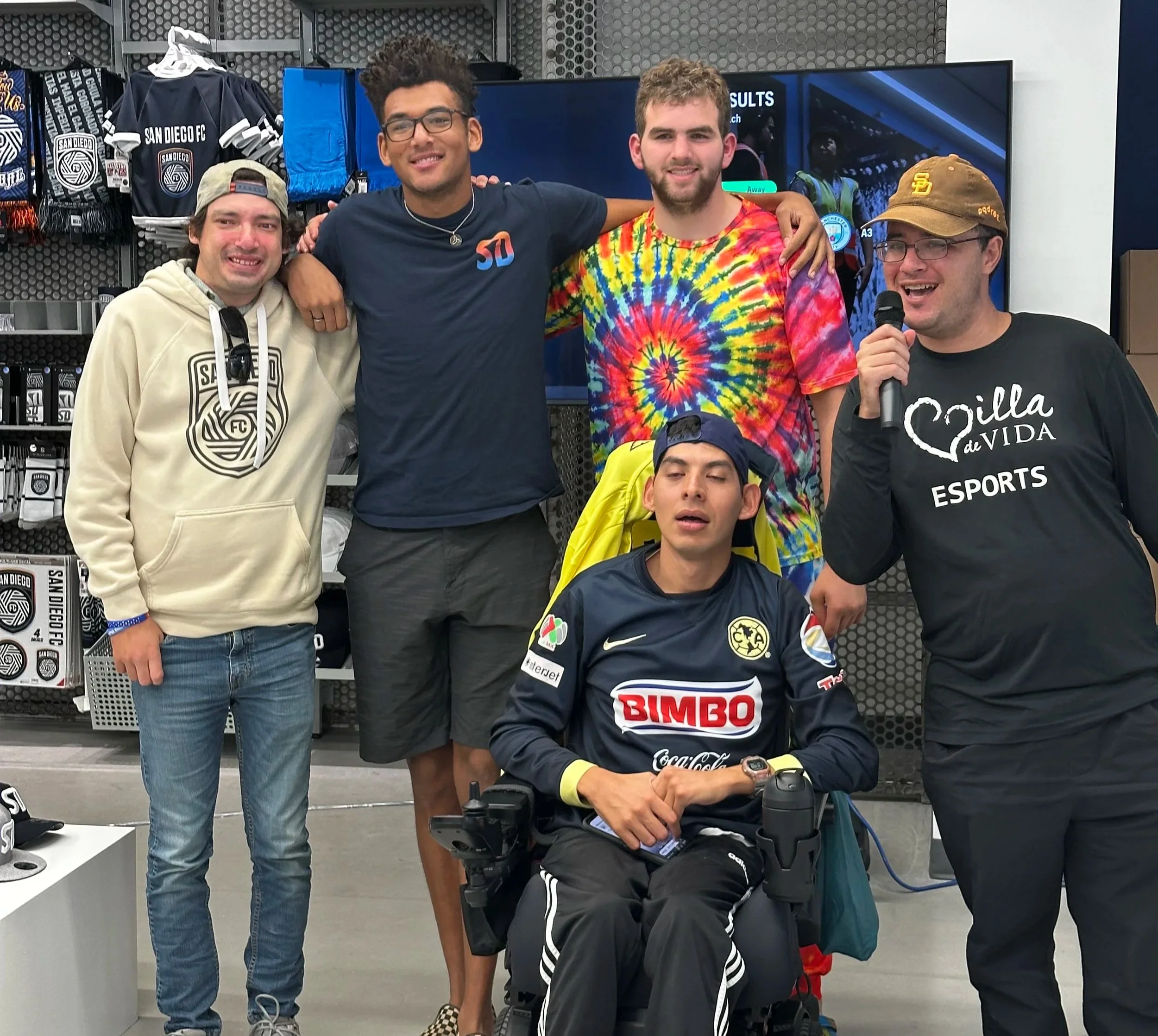
THE INDIVIDUAL COMES FIRST
There is no single IDD experience. Every person brings different abilities, communication styles, interests, support needs + personal goals. Research on support needs and person-centered planning reinforces the importance of recognizing those differences rather than relying on a one-size-fits-all model.
At UESL, our Individualized Technology Education Plan (ITEP) helps connect each client's experiences with their individual goals + progress.
Programming can incorporate:
Gaming + esports
VR + accessible technology
Graphic design
Drone piloting + Roblox Studio
Racing + flight simulation
Communication + teamwork
Sportsmanship + conflict resolution
Creative problem-solving
Healthy technology habits
For one client, progress might mean initiating a conversation. For another, it could mean learning a new technology, managing frustration, communicating a preference or becoming more independent.
The technology is the tool. The individual is the focus.

TECHNOLOGY CAN BECOME A TOOL FOR REAL-WORLD GROWTH
Technology is part of everyday modern life—from communication and education to employment, creativity + community participation.
The American Association on Intellectual and Developmental Disabilities (AAIDD) recognizes accessible technology and technology-enabled supports as important tools that can help people with IDD participate more fully in education, employment, communication, independent living + community life.
At UESL, technology creates opportunities to practice skills that extend beyond the screen.
A multiplayer game can encourage communication.
A loss can create an opportunity to practice sportsmanship.
A cooperative challenge can require teamwork.
Creative software can encourage self-expression.
A new technology can require persistence + problem-solving.
Research into structured game-based interventions for autistic participants has also produced promising findings related to social and emotional skill development—although researchers appropriately emphasize that more rigorous study is still needed.
That's an important distinction.
Gaming alone doesn't create growth. Intentional experiences, individualized goals + supportive coaching can help turn technology into an opportunity for growth.
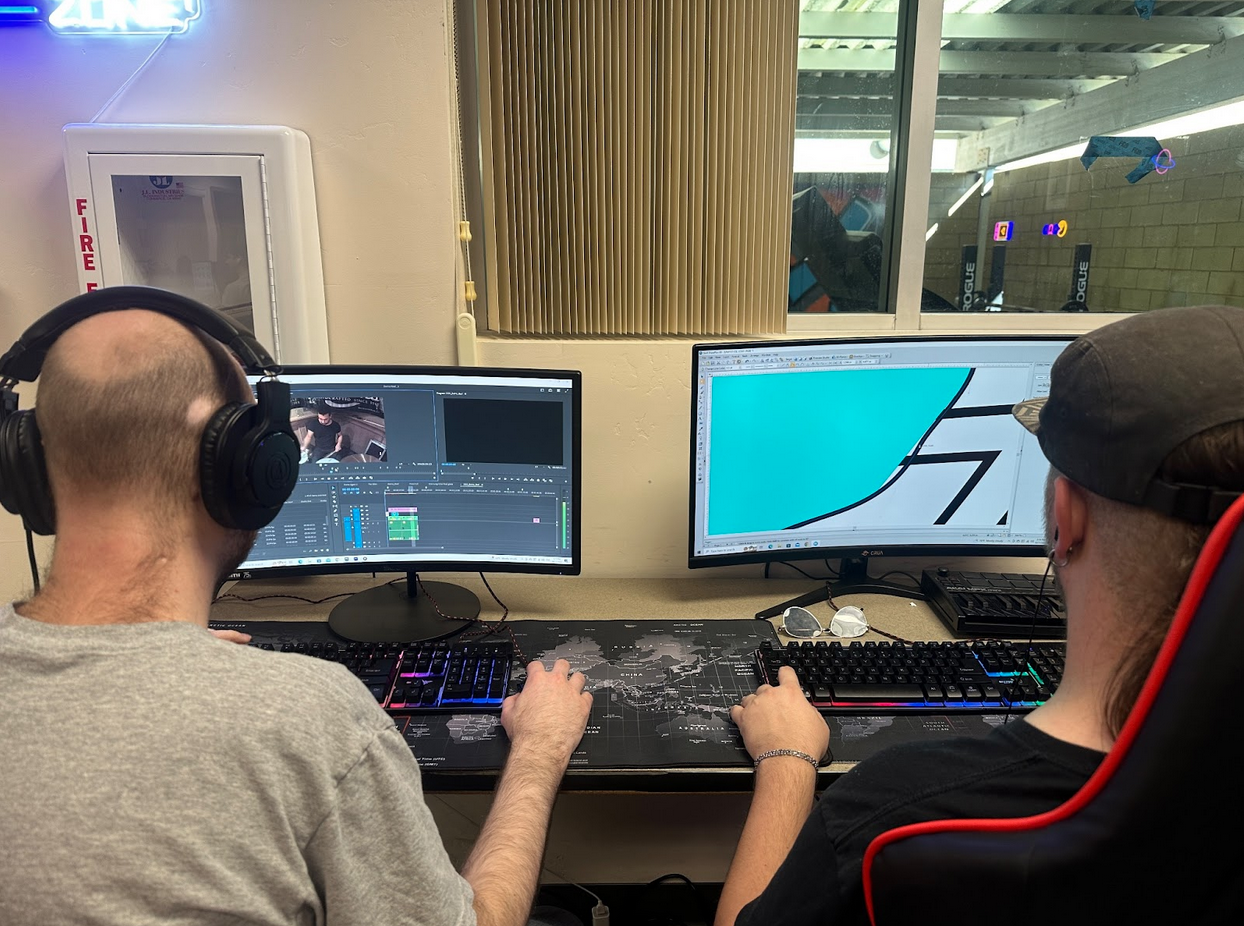
SUPPORTIVE COACHING MAKES A DIFFERENCE
Technology may create the opportunity, but people shape the experience.
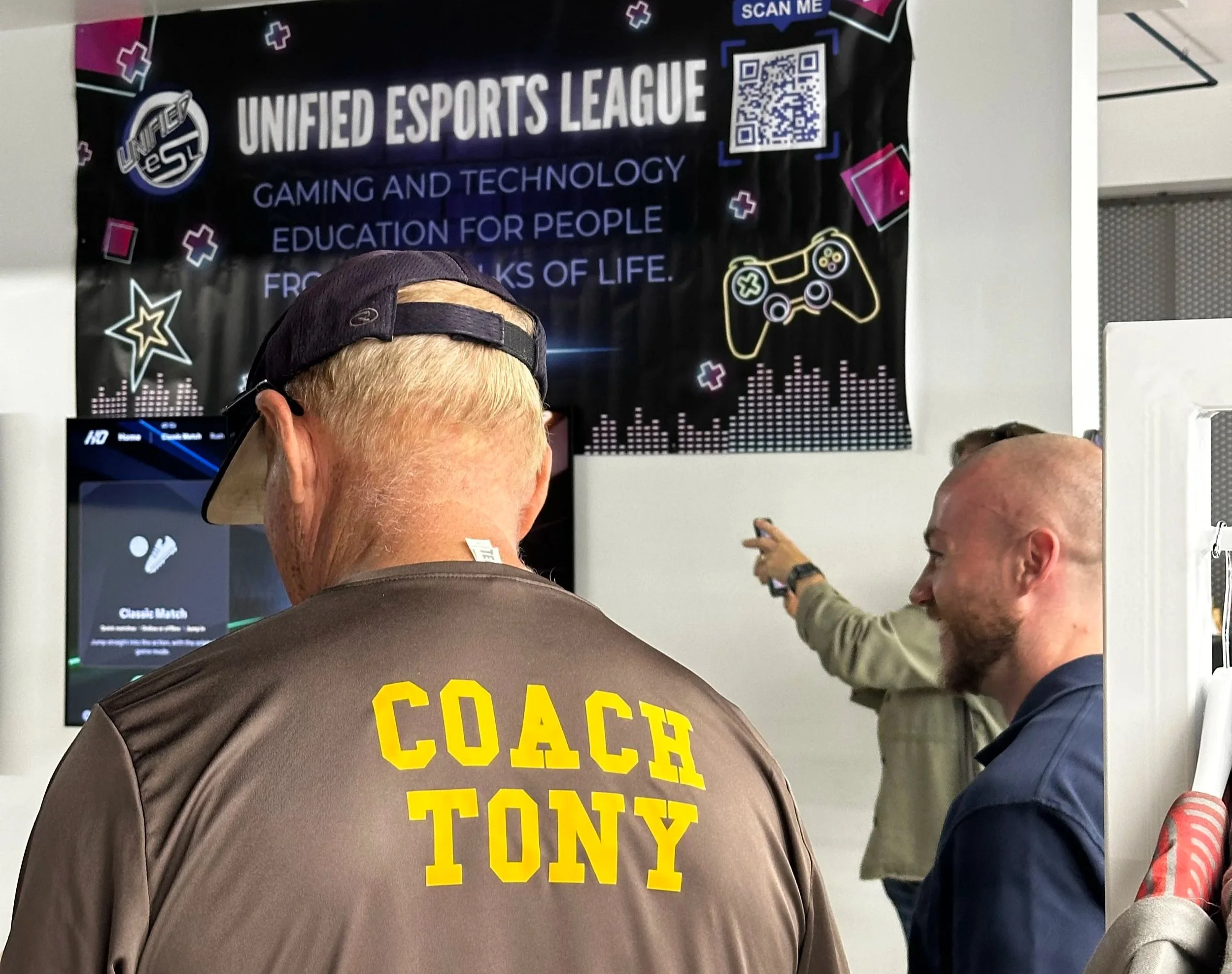
Research into person-centered support for people with intellectual disabilities has found positive associations with participation, engagement + opportunities for choice. UESL maintains a 1:3 coach-to-client ratio, helping coaches remain actively engaged with the individuals they're supporting. Coaches help clients navigate challenges, communicate with peers, explore new technologies, participate in activities + recognize progress.
The goal isn't to take over the experience. It's to provide the support someone needs to meaningfully participate in it. Sometimes growth begins with having someone beside you saying:
"Let's figure it out together."
HEALTHY GAMING SUPPORTS THE WHOLE PERSON
Technology can be engaging—which makes developing healthy habits around it especially important.
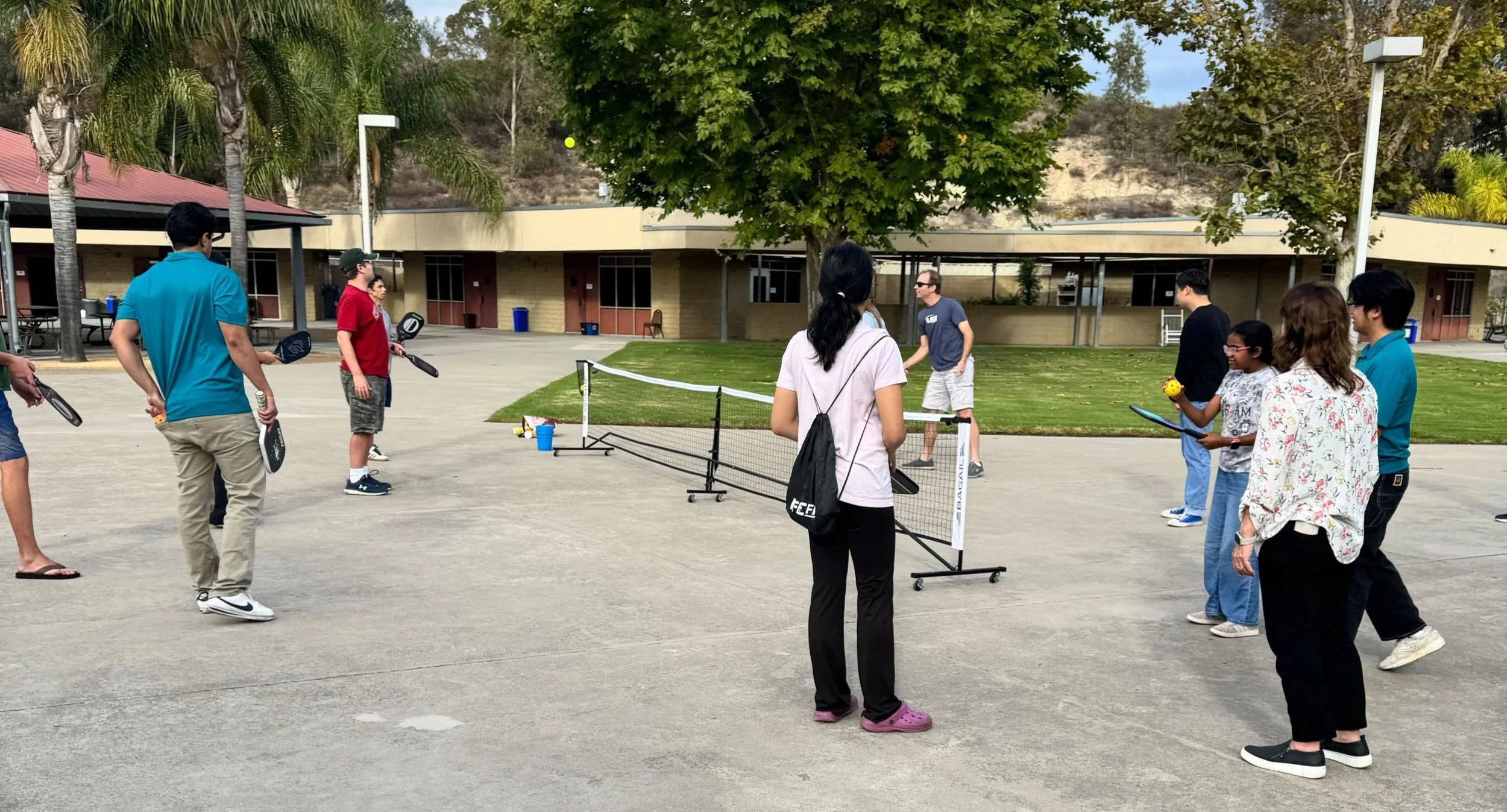
UESL's Healthy Gamer movement breaks intentionally give clients opportunities to step away from screens, move, stretch, reset + practice healthier relationships with technology.
Our philosophy is simple: Healthy Body + Healthy Mind = Good Gamer.
A systematic review and meta-analysis encompassing 109 studies found positive physical + psychosocial effects associated with physical activity among youth with intellectual disabilities. UESL's movement breaks aren't clinical exercise interventions, but the broader research reinforces an important principle: Supporting technology use + supporting physical wellness don't have to compete. They can exist together.
TECHNOLOGY MAY OPEN THE DOOR. BELONGING HELPS SOMEONE WALK THROUGH IT.
Across the research, a bigger picture emerges. Individuals with IDD benefit from meaningful opportunities to belong, make choices, build relationships, learn, participate + receive support that respects their individuality. Those principles are at the center of UESL.
Gaming might catch someone's attention.
VR might spark curiosity.
Graphic design might unlock creativity.
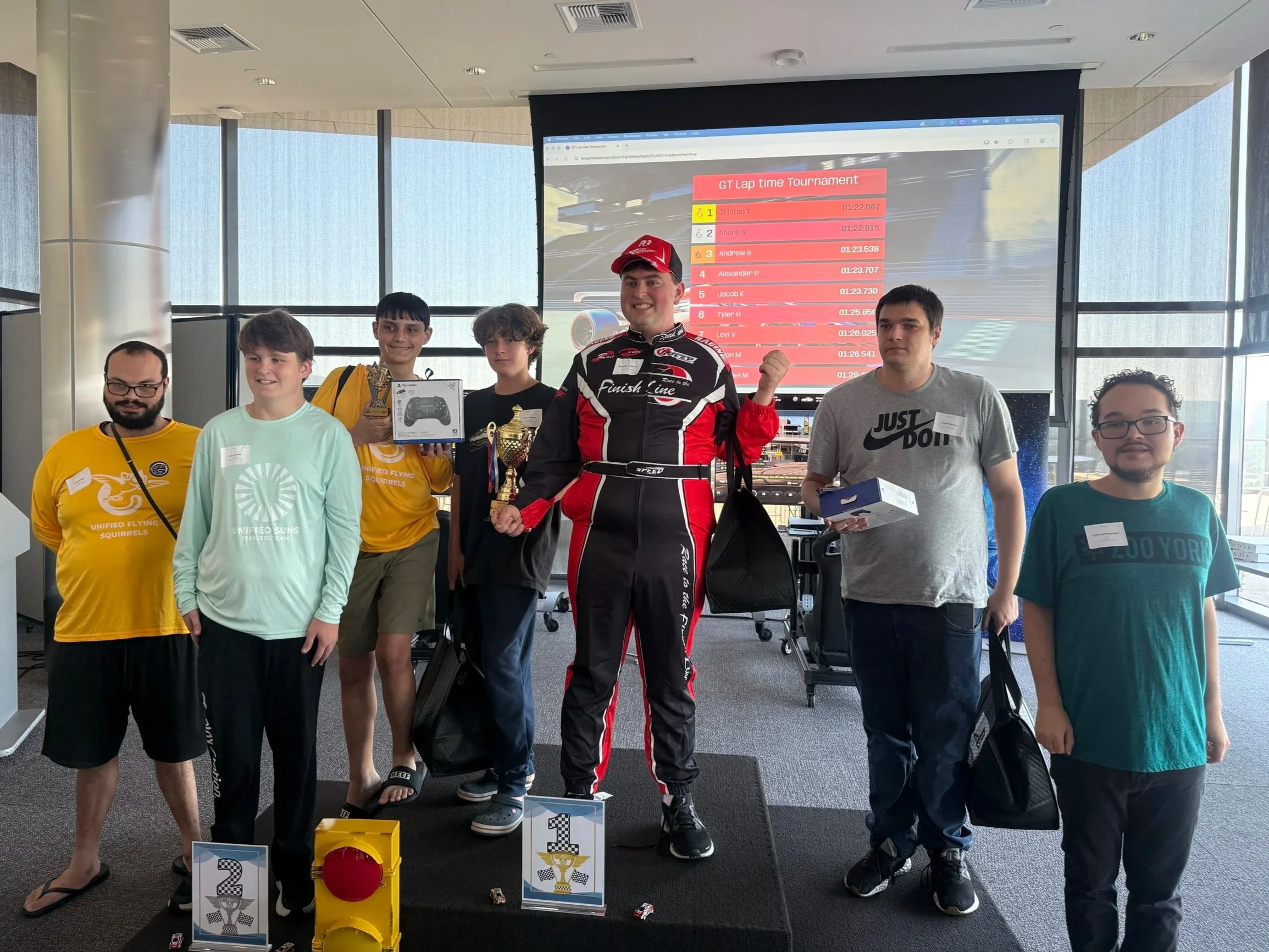
A racing simulator might become a favorite activity.
But underneath the technology is something much more human: Connection. Confidence. Friendship. Growth.
UESL is a technology + life skills program providing social + emotional growth for the IDD community. We help individuals with intellectual and/or developmental disabilities build confidence, friendships + real-world skills in a safe, coach-supported environment.
Across our UNIFIED Technology Centers throughout San Diego + Imperial Counties, clients ages 8 through adult can explore technology, connect with peers + work toward their personal goals. UESL is a San Diego Regional Center approved vendor, helping eligible SDRC clients access programming at no cost to the individual or their family. Because everyone deserves a place where they can feel: Seen. Safe. Supported. And empowered to grow.
Let's Level-Up Together!
SOURCES + FURTHER READING
Gur, A. + Bina, R. Facilitators of Sense of Belonging Among People With Intellectual and Developmental Disabilities: A Systematic Review. Journal of Intellectual Disabilities.
Llorens-Roman, J., Pousada, M. + Gómez-Zúñiga, B. Loneliness and Its Associated Factors in Individuals With Intellectual Disability and Borderline Intellectual Functioning: A Systematic Review. Journal of Applied Research in Intellectual Disabilities.
Jackson, I., Dagnan, D., Golding, L. + Rayner-Smith, K. How Do People With Intellectual Disabilities Understand Friendship? A Systematic Meta-Synthesis. Journal of Applied Research in Intellectual Disabilities.
Ratti, V. et al. The Effectiveness of Person-Centred Planning for People With Intellectual Disabilities: A Systematic Review. Research in Developmental Disabilities.
Talebi Azadboni, T. et al. Effectiveness of Serious Games in Social Skills Training to Autistic Individuals: A Systematic Review. Neuroscience & Biobehavioral Reviews.
Kapsal, N. J. et al. Effects of Physical Activity on the Physical and Psychosocial Health of Youth With Intellectual Disabilities: A Systematic Review and Meta-Analysis. Journal of Physical Activity and Health.
American Association on Intellectual and Developmental Disabilities (AAIDD) Technology and Internet Access Position Statement.